Wood Specie Options and Descriptions
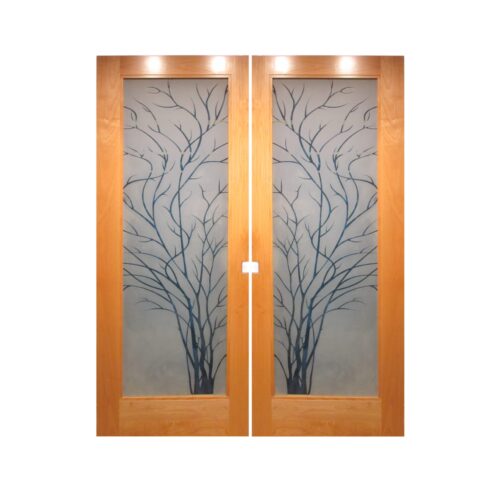
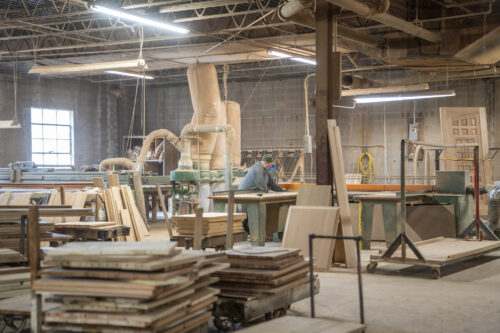
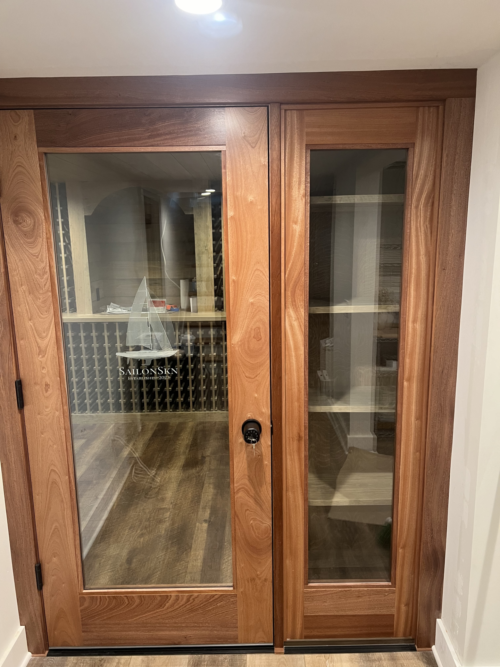
Welcome to the world of real wood products: solid, natural, warm, and beautiful. Since wood is a natural product, no two pieces are exactly alike. Variations in color, texture and grain are what make solid wood products so beautiful and unique! This is one reason why they have such a wide appeal, especially when it comes to getting custom designed doors.
Allegheny Wood Works offers a wide selection of wood specie options, including mahogany, pine, birch, alder, walnut, white oak, and cherry, among many others.
We are frequently asked about the hardness of the various species we offer. You can learn more about how hardness is measured, and learn about choosing and caring for your hardwood door to help in your selection process.
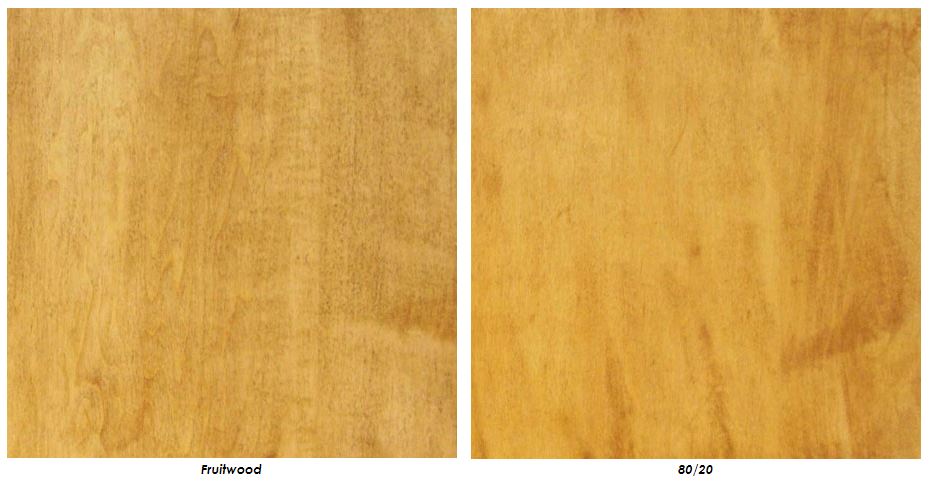
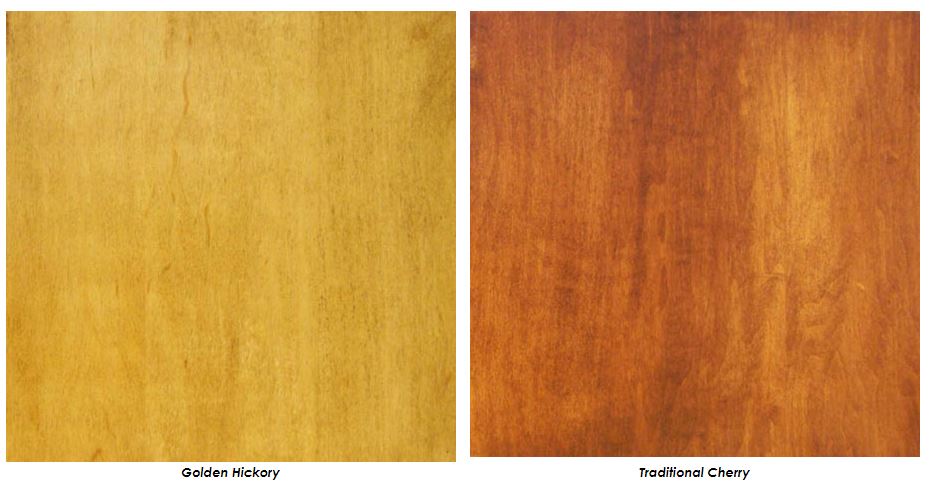
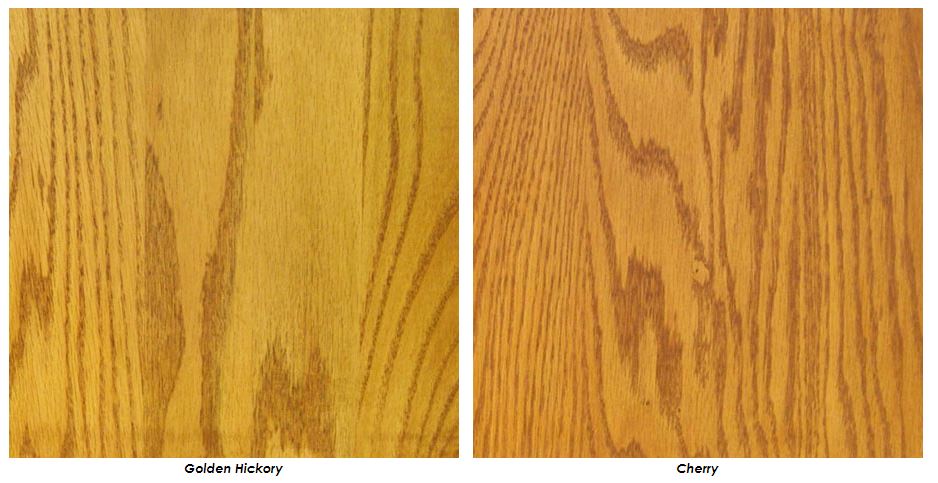
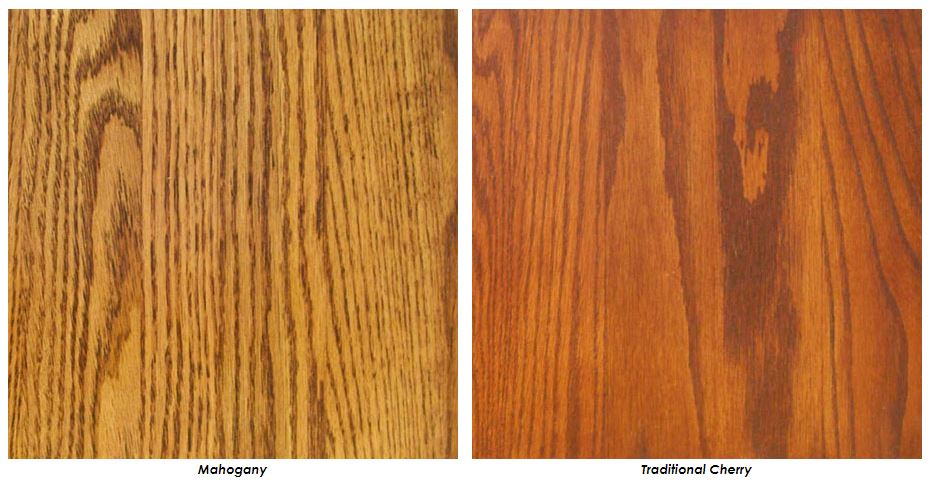
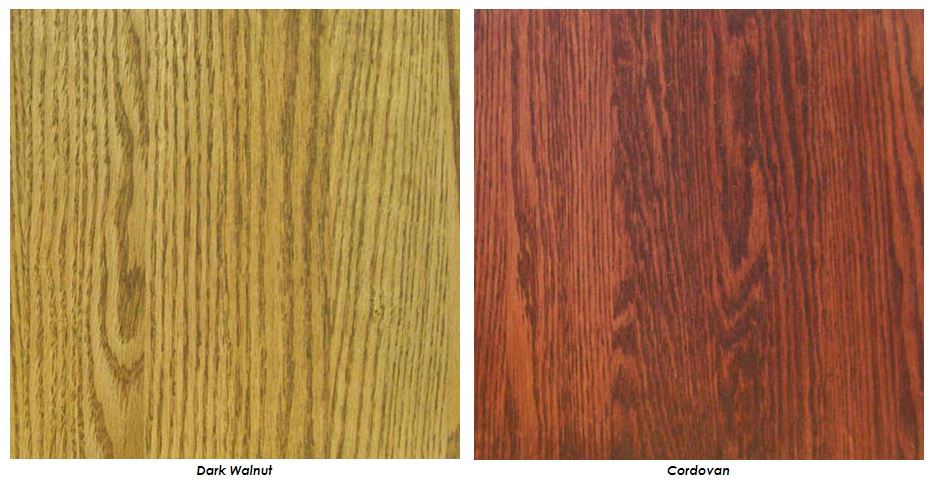
The small pictures and descriptions below offer an idea of the wood color and grain.
Clear Alder Wood Doors
Clear Alder wood doors manufactured by Allegheny Wood Works are available as Interior Doors or Exterior Front Entry Doors. Clear Alder doors are available in raised panel or flat panel mission style doors. Shown below are just a few Clear Alder solid wood door designs.
For a full presentation of our wood door designs, please navigate through our website.
Click images below for larger view
Clear Alder Door Characteristics:
Clear Alder is a gorgeous wood widely used in homes because of its elegant grain patterns and hardness.
Clear Alder is a warm, inviting fine-grained hardwood with a light reddish-brown hue.
Perfect with stain or without.
Also used as a substitute for Cherry due to its similar grain characteristics.

AWW200
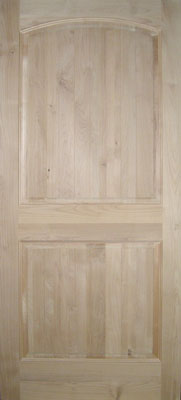
AWW330
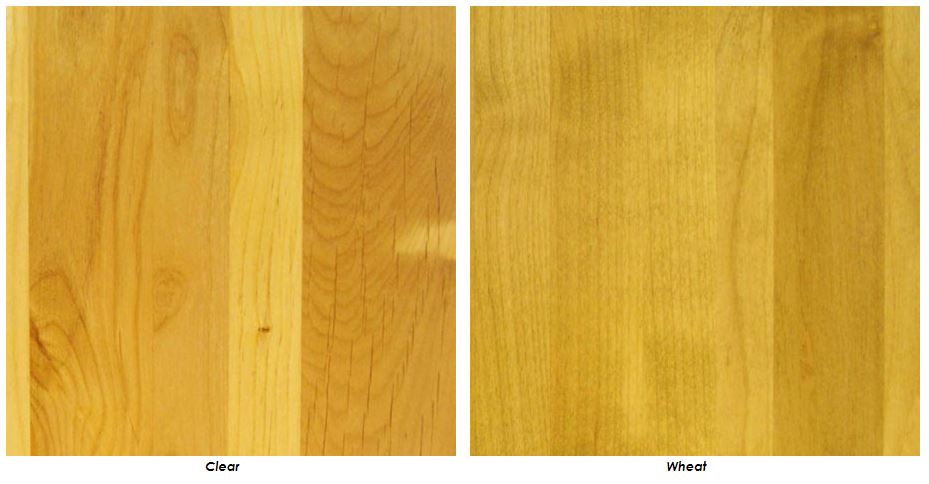
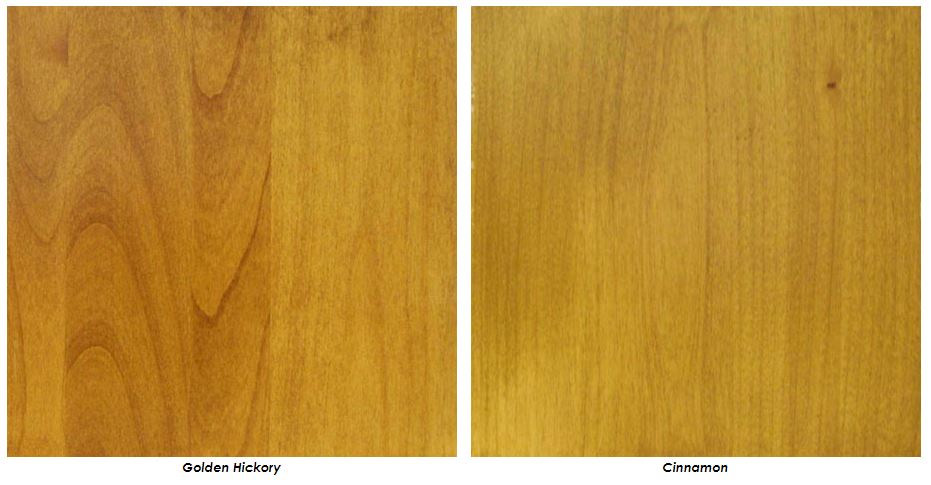
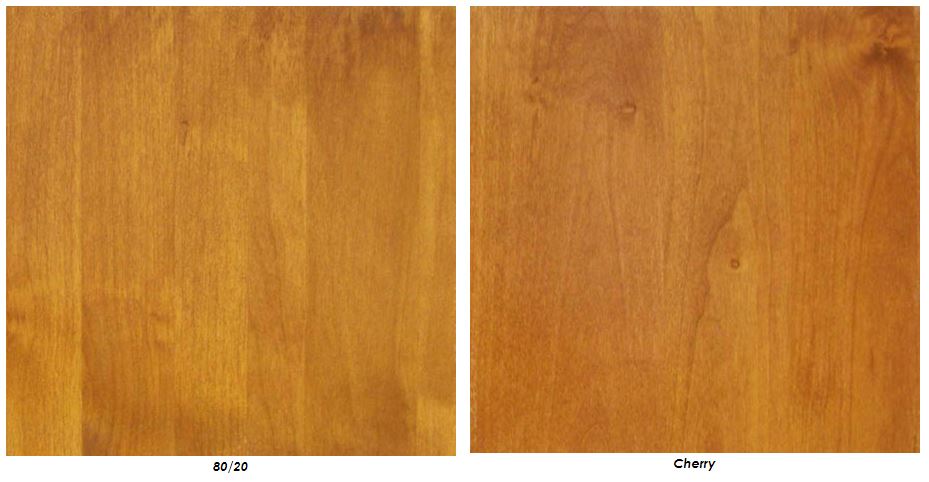
Clear Alder Stain Samples:
Rustic Alder Doors
Rustic Alder wood doors manufactured by Allegheny Wood Works are available as Interior Doors or Exterior Front Entry Doors. Rustic Alder doors are available in raised panel or flat panel mission style doors. Shown below are just a few Rustic Alder solid wood door designs.
For a full presentation of our wood door designs, please navigate through our website.
Click images below for larger view
Rustic Alder Door Characteristics:
Knotty Alder is a gorgeous wood widely used in homes because of its elegant grain patterns and hardness.
Knotty Alder is a warm, inviting fine-grained hardwood with a light reddish-brown hue.
Perfect with stain or without.
Knotty pattern is random, ranging from small and tight with smooth texture and surface cracks, to larger bold and rustic knots with a rough texture.
Larger knots tend to be very course and black in color.
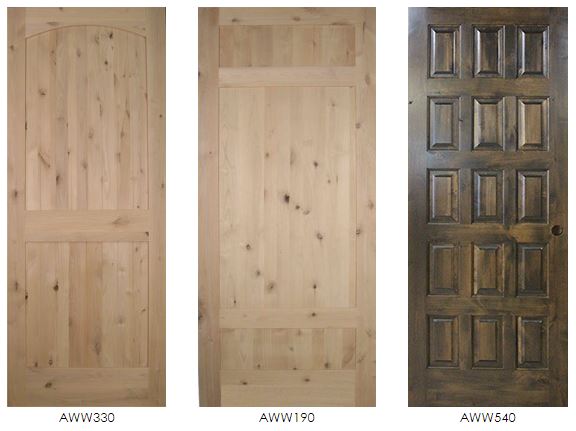
Rustic Alder Stain Samples:
Ash Doors
Ash wood doors manufactured by Allegheny Wood Works are available as Interior Doors or Exterior Front Entry Doors. Ash doors are available in raised panel or flat panel mission style doors. Shown below are just a few Ash solid wood door designs.
For a full presentation of our wood door designs, please navigate through our website.
Click images below for larger view
Ash Door Characteristics:
Ash heartwood varies from greyish to light brown, to pale yellow streaked with brown.
The sapwood in Ash is light colored to nearly white in color.
Due to its excellent shock resistance and workability Ash is a favorite wood for such things as baseball bats, hockey sticks and billiard cues.
Ash finishes very well and will naturally darken to a rich light gold.
It is sometimes used as a lighter colored substitute for oak in millwork wood doors.
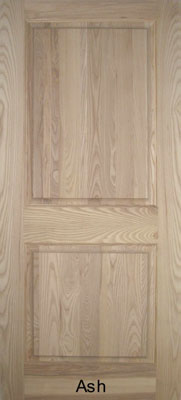
AWW220
Ash Stain Samples:
Natural Birch Doors
Natural Birch Door Characteristics:
Natural Birch has white sapwood and light reddish brown heartwood. The wood is generally straight-grained with a fine uniform texture. Generally characterized by a plain and often curly or wavy pattern, Birch is described as one of the most featureless of all North American hardwoods, but it has a natural pleasing figure which makes it very attractive for furniture and doors. Birch is a very hard and durable wood that can be used as a canvas for any color stain.
Natural Birch Stain Samples:
Cherry Doors
Cherry wood doors manufactured by Allegheny Wood Works are available as Interior Doors or Exterior Front Entry Doors. Cherry doors are available in raised panel or flat panel mission style doors. Shown below are just a few Cherry solid wood door designs.
For a full presentation of our wood door designs, please navigate through our website.
Cherry Door Characteristics:
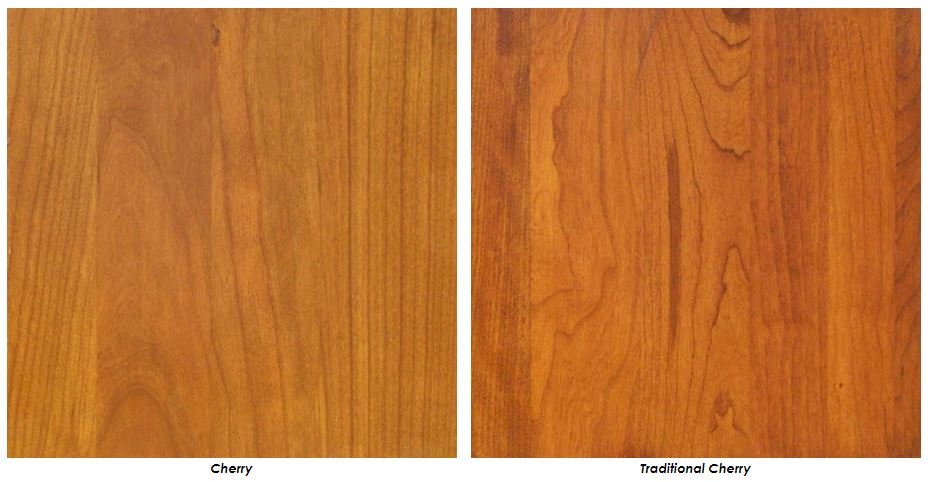
The heartwood of cherry varies from rich red to reddish brown and will darken with age and upon exposure to light. In contrast, the sapwood is creamy white.
The wood has a fine uniform, straight grain, satiny, smooth texture, and may naturally contain brown flecks and small gum pockets.
Cherry has long been considered the gold standard in high end furniture, wood doors and millwork.
It will stain a variety of colors but really stands apart when clear coated or stained with a light blending stain and allowed to darken naturally.

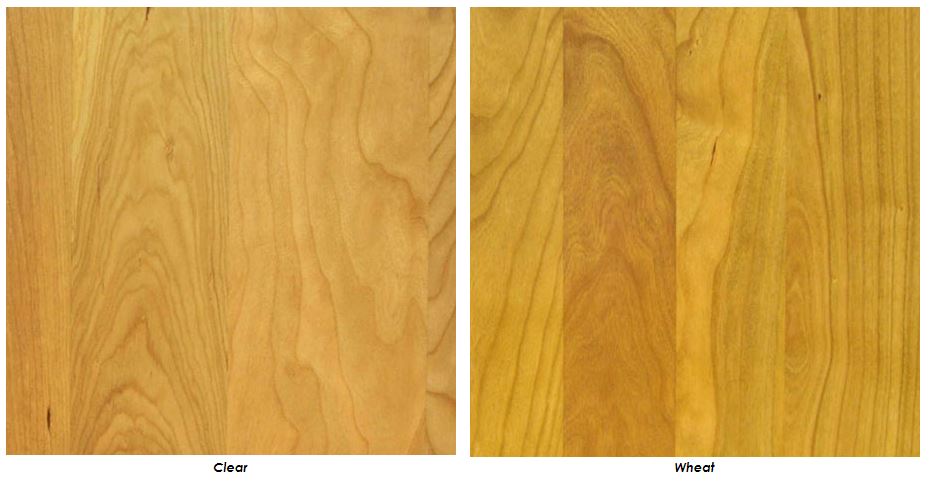
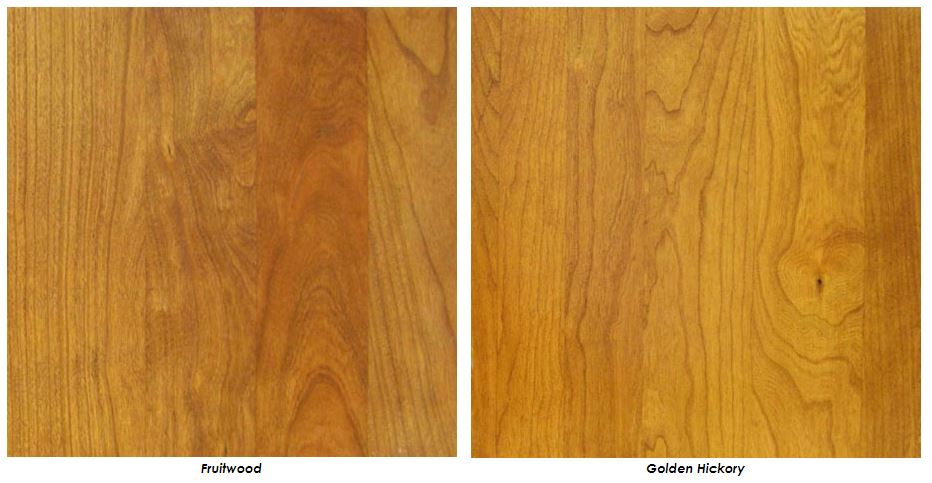
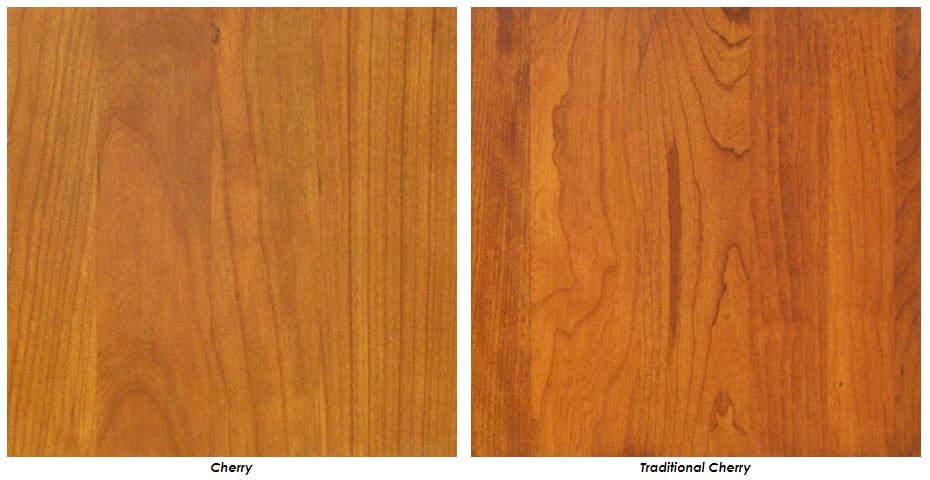
Cherry Stain Samples:

Rustic Cherry Doors
Rustic Cherry wood doors manufactured by Allegheny Wood Works are available as Interior Doors or Exterior Front Entry Doors. Rustic Cherry doors are available in raised panel or flat panel mission style doors. Shown below are just a few Rustic Cherry solid wood door designs.
For a full presentation of our wood door designs, please navigate through our website.
Rustic Cherry Door Characteristics:
The heartwood of cherry varies from rich red to reddish brown and will darken with age and upon exposure to light.
In contrast, the sapwood is creamy white.
The wood has a fine uniform, straight grain, satiny, smooth texture, and may naturally contain brown flecks and small gum pockets.
Cherry has long been considered the gold standard in high end furniture, wood doors and millwork.
It will stain a variety of colors but really stands apart when clear coated or stained with a light blending stain and allowed to darken naturally.
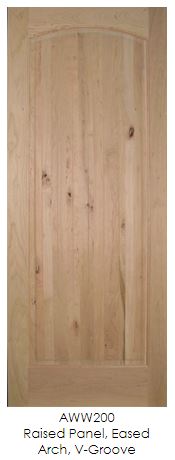
Rustic Cherry incorporates natural characteristics such as mineral streak, knots, surface checks, gum pockets and sapwood.
Rustic Cherry Stain Samples:
Sappy Cherry Doors
Sappy Cherry wood doors manufactured by Allegheny Wood Works are available as Interior Doors or Exterior Front Entry Doors. Sappy Cherry doors are available in raised panel or flat panel mission style doors. Shown below are just a few Sappy Cherry solid wood door designs.
For a full presentation of our wood door designs, please navigate through our website.
Sappy Cherry Door Characteristics:
The heartwood of cherry varies from rich red to reddish brown and will darken with age and upon exposure to light.
In contrast, the sapwood is creamy white.
The wood has a fine uniform, straight grain, satiny, smooth texture, and may naturally contain brown flecks and small gum pockets.
Cherry has long been considered the gold standard in high end furniture, wood doors and millwork.
It will stain a variety of colors but really stands apart when clear coated or stained with a light blending stain and allowed to darken naturally.
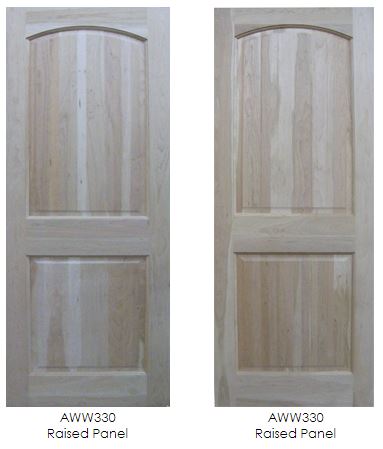
Sappy Cherry Stain Samples:
Brazilian Cherry Doors
Brazilian Cherry wood doors manufactured by Allegheny Wood Works are available as Interior Doors or Exterior Front Entry Doors. Brazilian Cherry doors are available in raised panel or flat panel mission style doors. Shown below are just a few Brazilian Cherry solid wood door designs.
For a full presentation of our wood door designs, please navigate through our website.
Click images below for larger view
Brazilian Cherry Door Characteristics:
The heartwood of Brazilian Cherry is salmon red to orange brown when freshly cut and sanded, becoming russet to reddish brown over time; often marked with dark streaks.
Sapwood is usually white, gray or pinkish.
Also known as Jatoba, Brazilian Cherry is one of the hardest woods in the world.
Due to its density, it is used extensively in flooring.
Like other types of cherry, it will darken over time to a rich dark red.
Its high density and rich color make for an extremely durable wood door with a very heavy swing
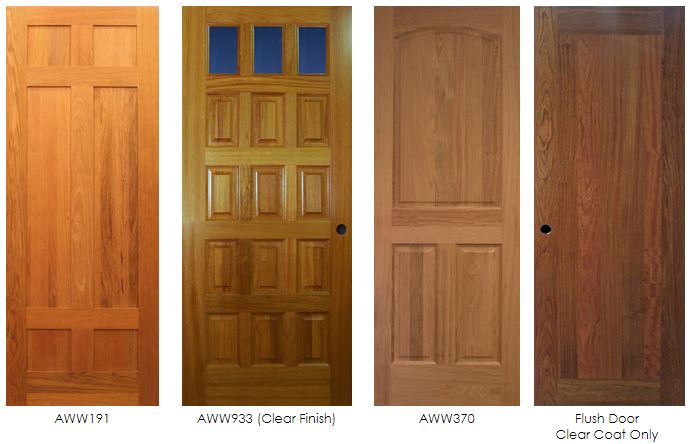
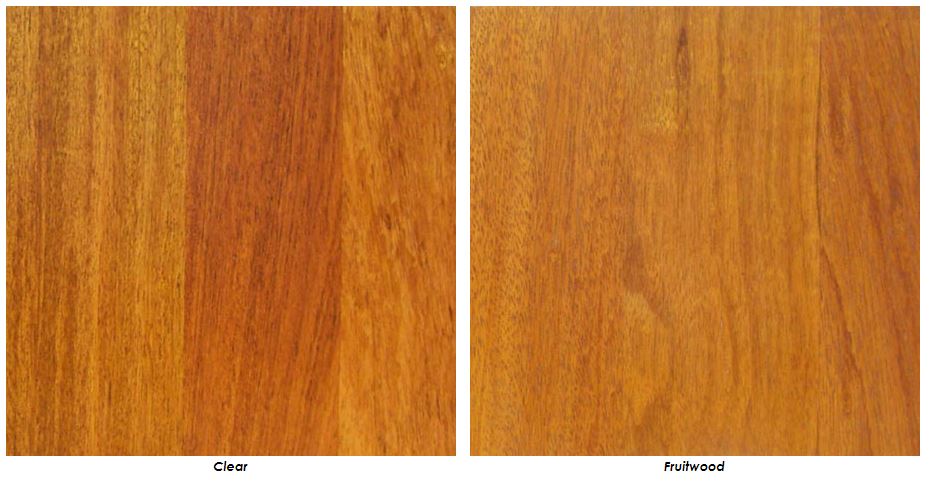
Brazilian Cherry Stain Samples:

Cypress Doors
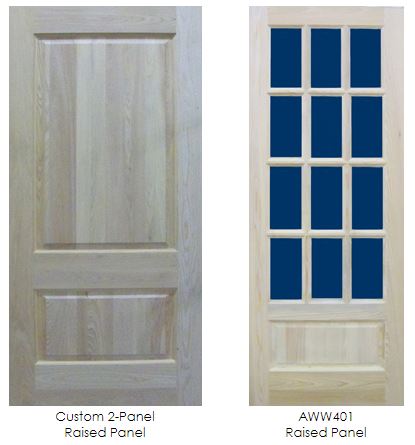
Cypress wood doors manufactured by Allegheny Wood Works are available as Interior Doors or Exterior Front Entry Doors. Cypress doors are available in raised panel or flat panel mission style doors. Shown below are just a few Cypress solid wood door designs.
For a full presentation of our wood door designs, please navigate through our website.
Cypress Door Characteristics:
What did Noah’s Ark and the first doors of St. Peter’s Basilica in Rome have in common?
Legend has it that both were made of the durable wood we know as cypress.
In fact, it’s said that the doors of the original St. Peter’s were more than 1,100 years old when the building was torn down and reconstructed in the 1500’s.
While cypress has always been an architectural fixture in the hot, humid, and salty coastal conditions of the southeastern United States, builders and trade professionals throughout the country are increasingly using cypress, from Maine to Southern California.
Because cypress generates cypressene, its own preservative oil, it is naturally resistant to insects, decay, chemical corrosion and other damaging elements making it an excellent choice for exterior entry doors.
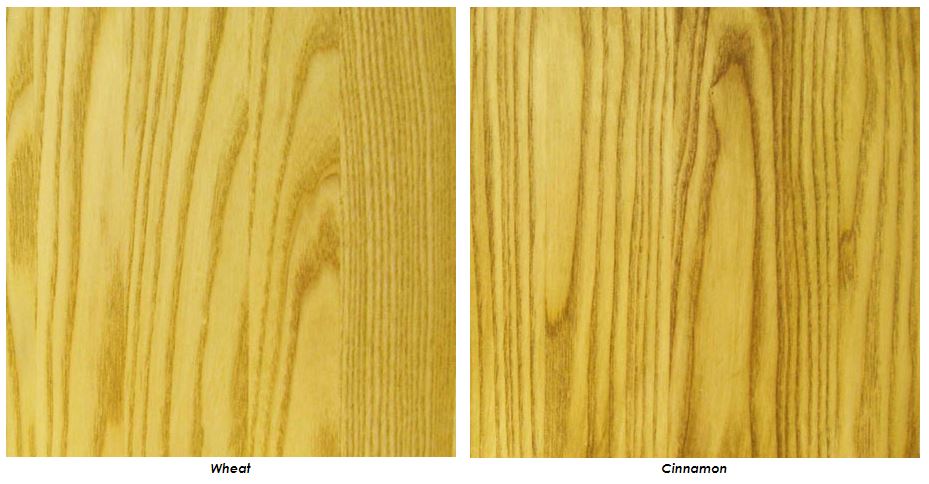
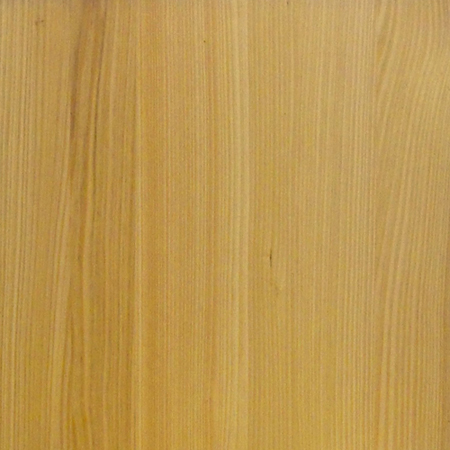
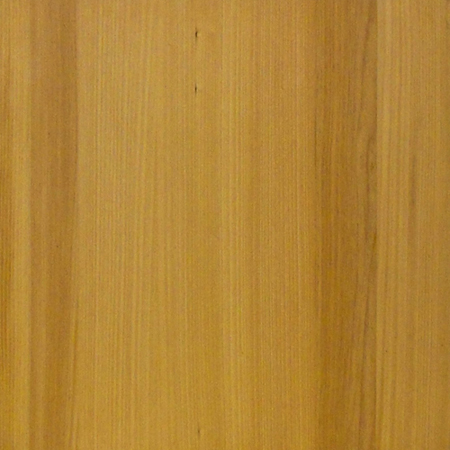
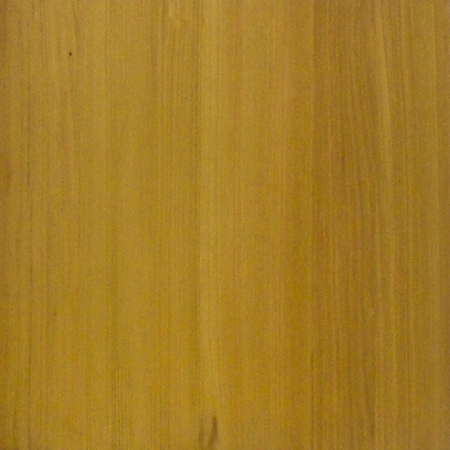
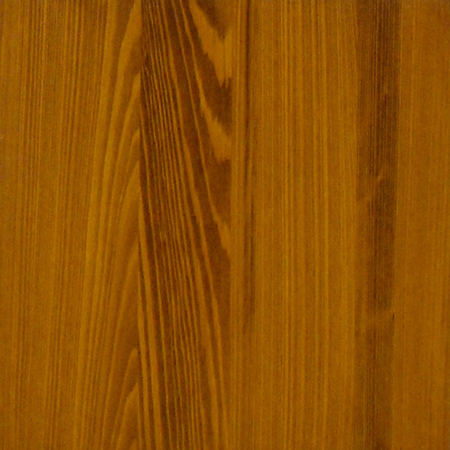
Cypress readily accepts paint and stains, although many people select cypress for the natural appeal of its honey-like hues, which can be maintained with a clear coat varnish.
Its beautiful, fine grain looks great in formal or casual settings.
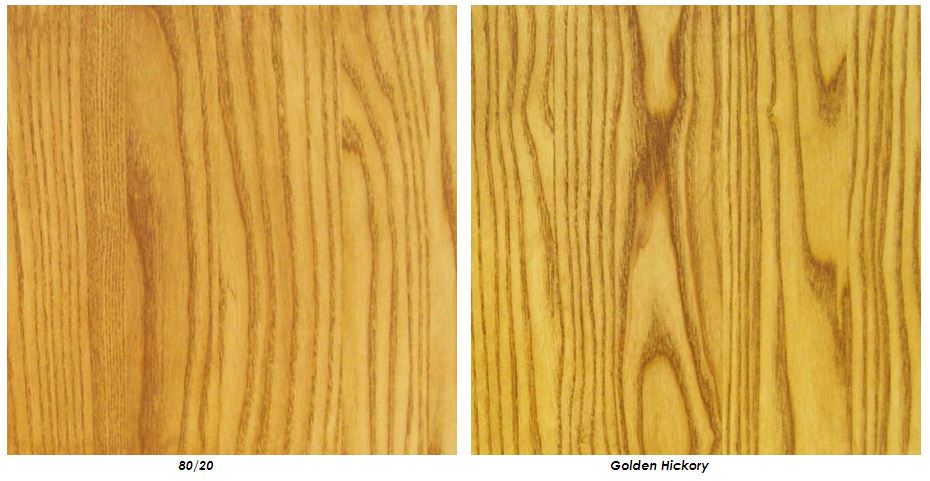
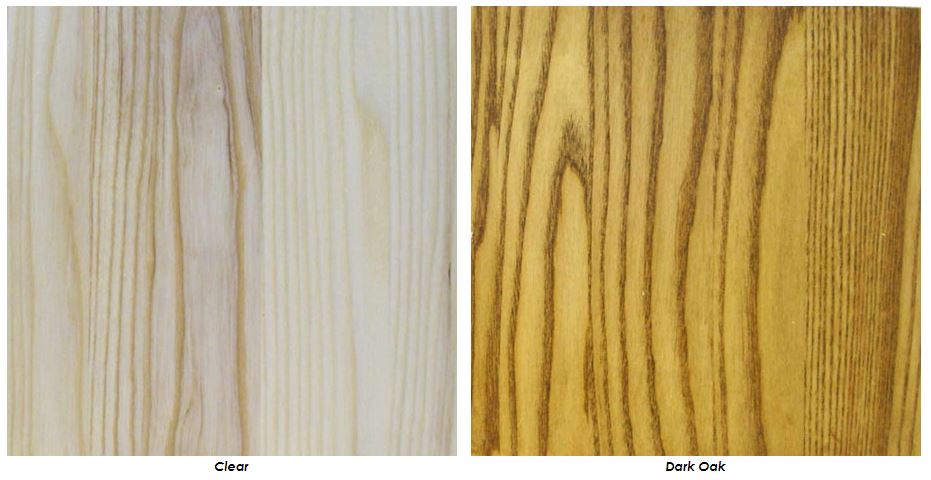
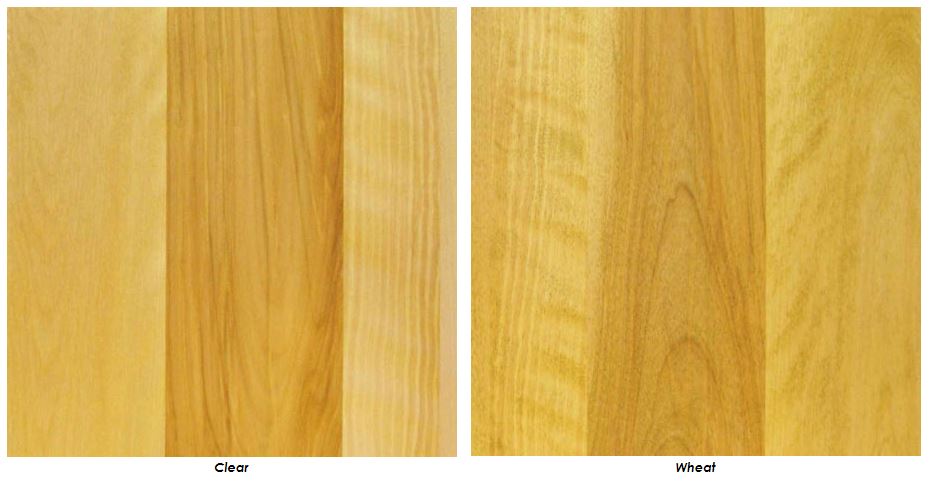
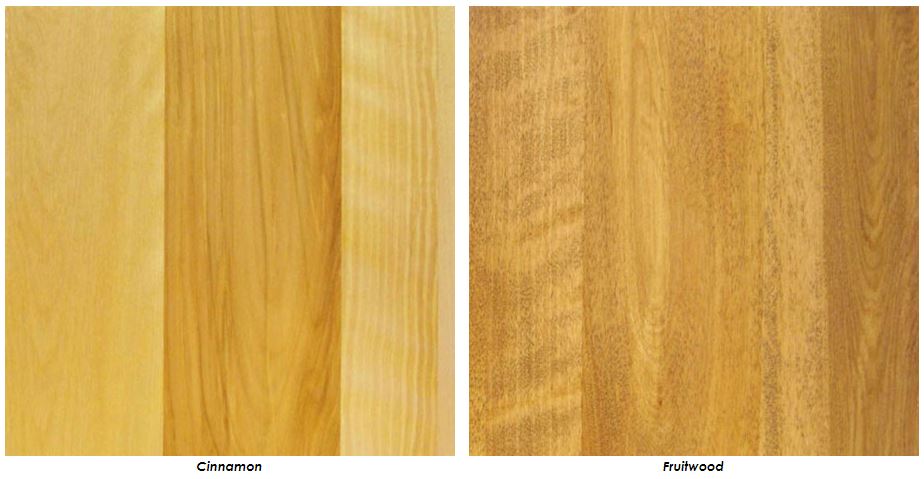
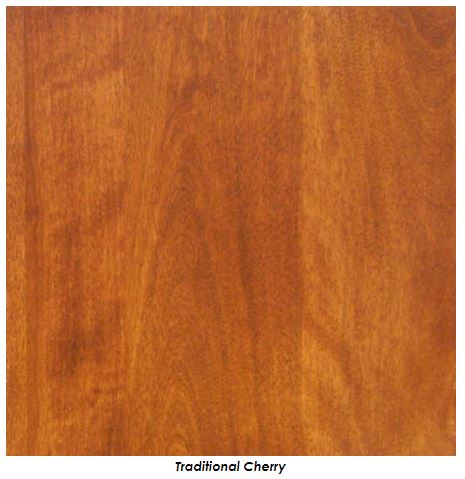
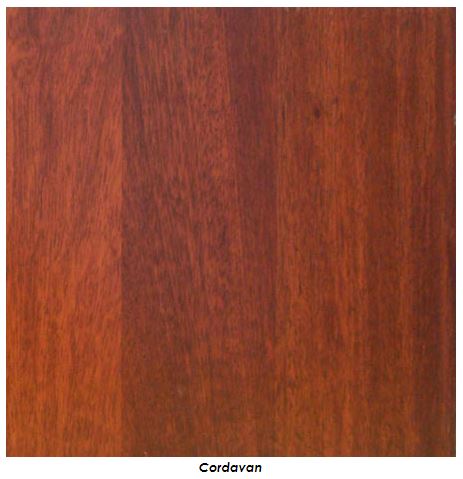
Cypress Stain Samples:
-

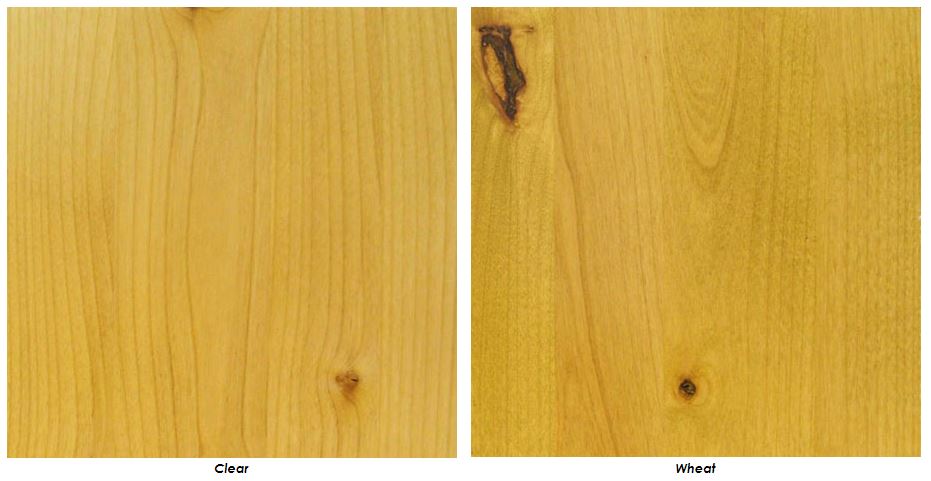
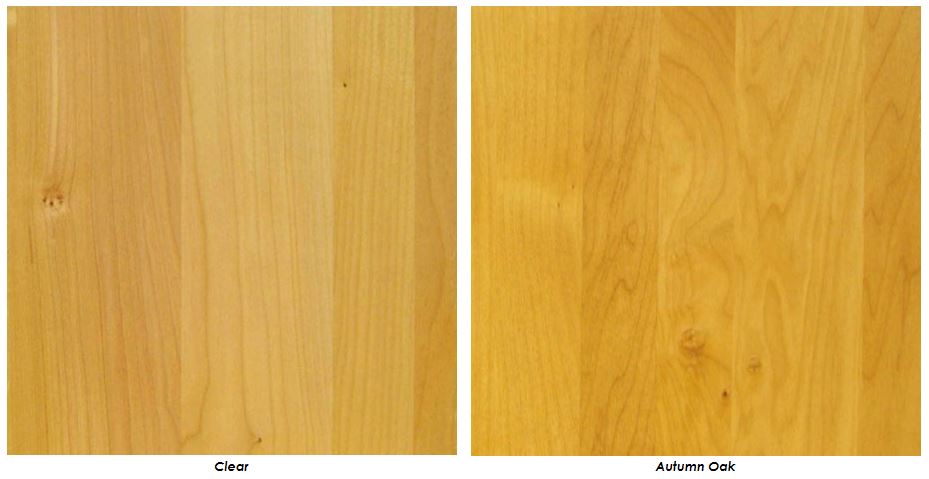
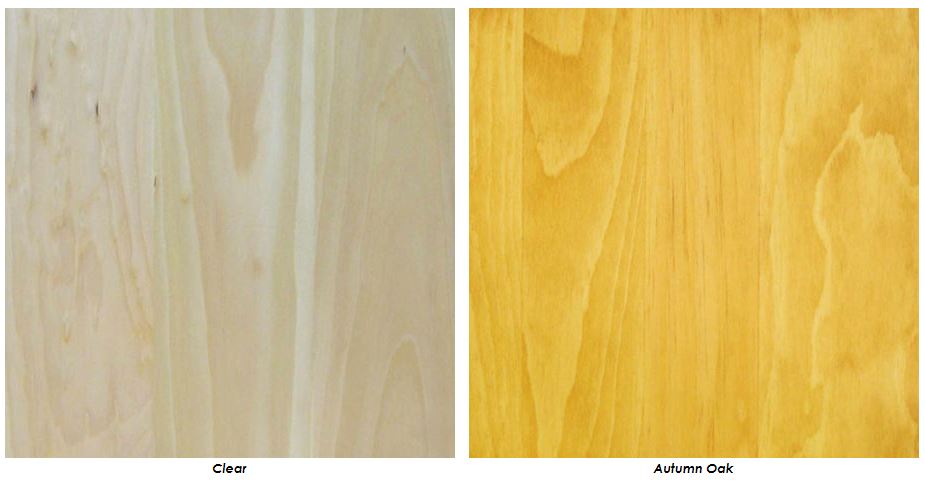
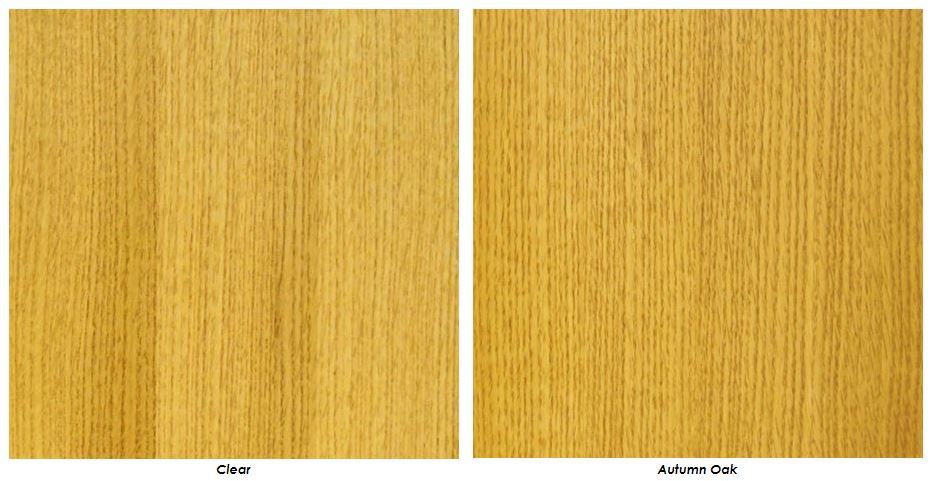
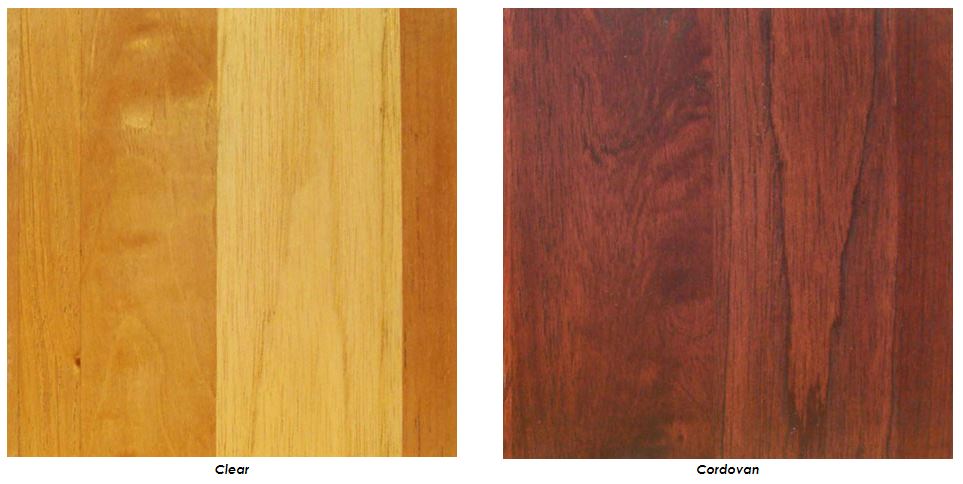
- Clear
-
- Autum Oak
-
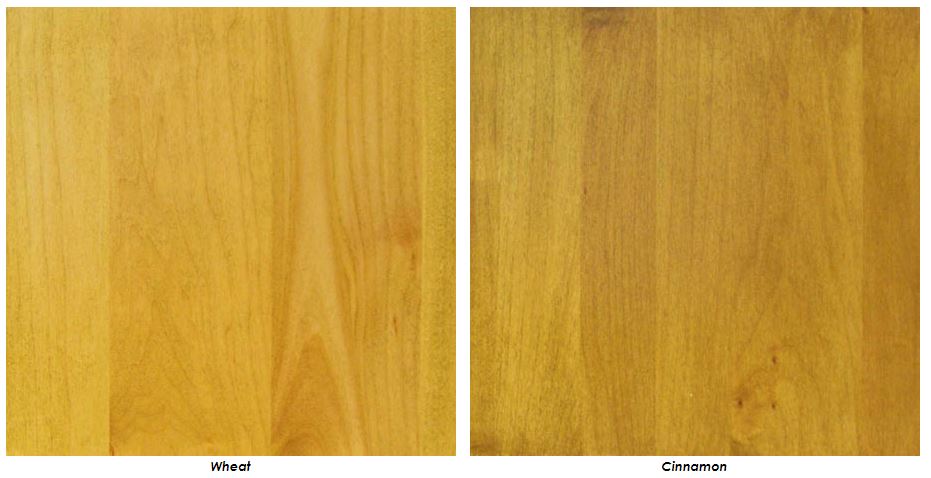
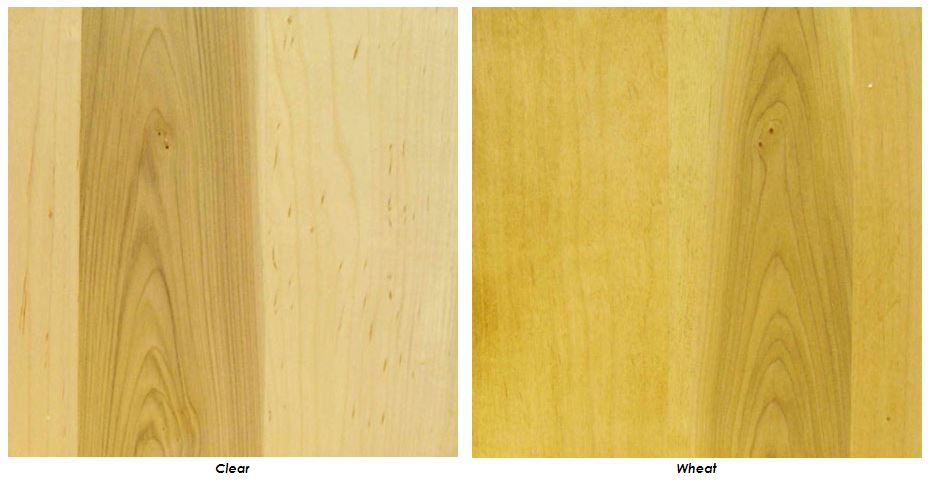
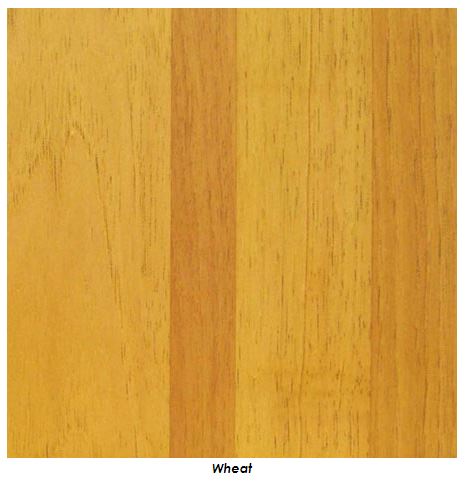
- Wheat
-
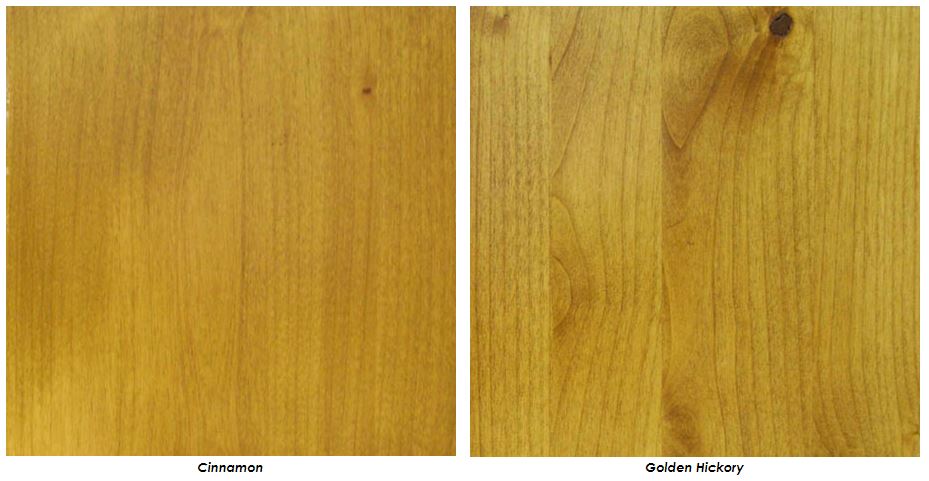
- Cinnamon

-
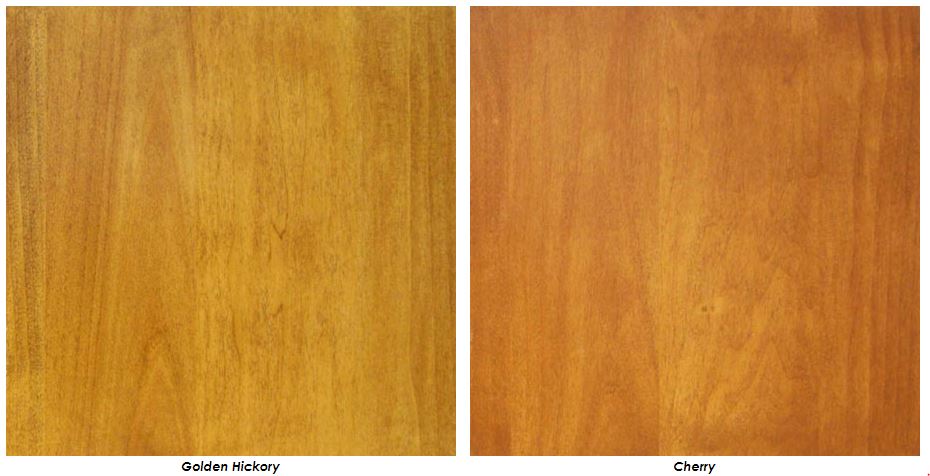
- Golden Hickory
-
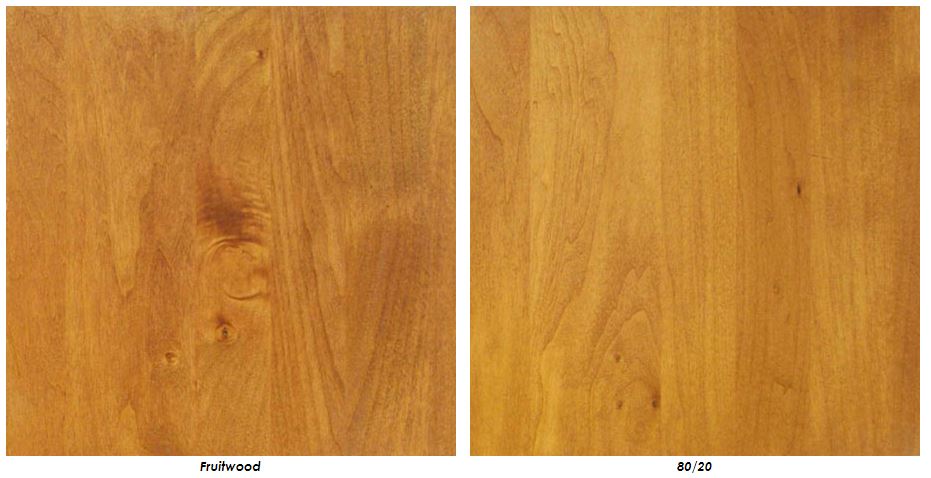
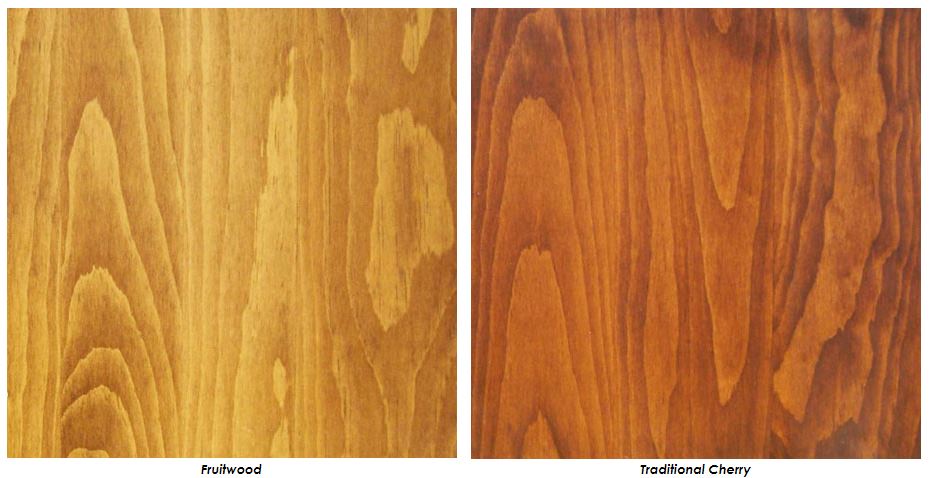
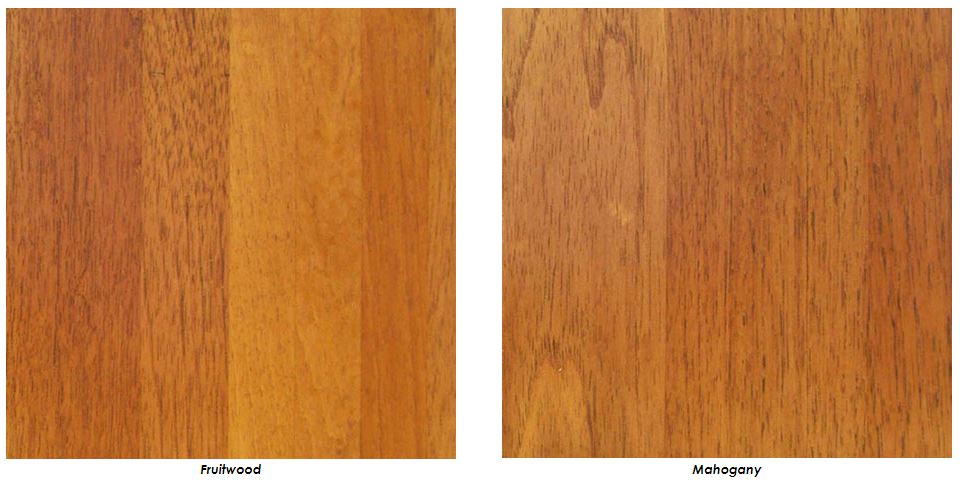
- Fruitwood
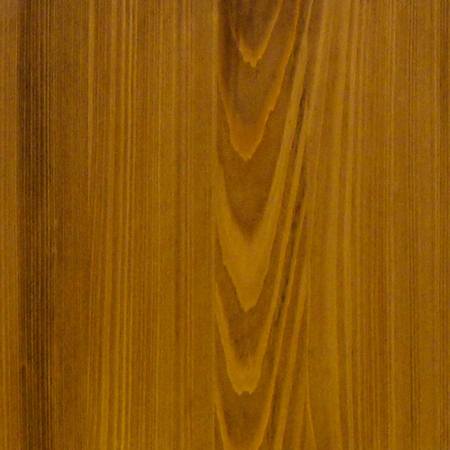
-
- Cherry
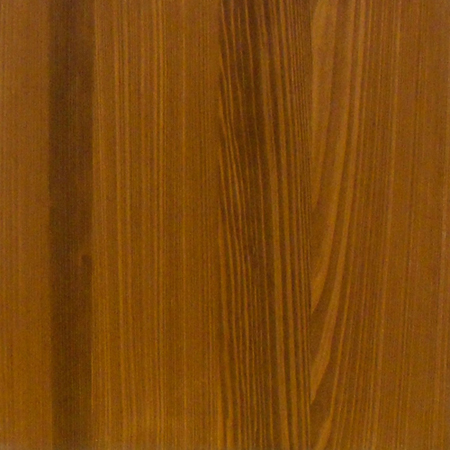
-
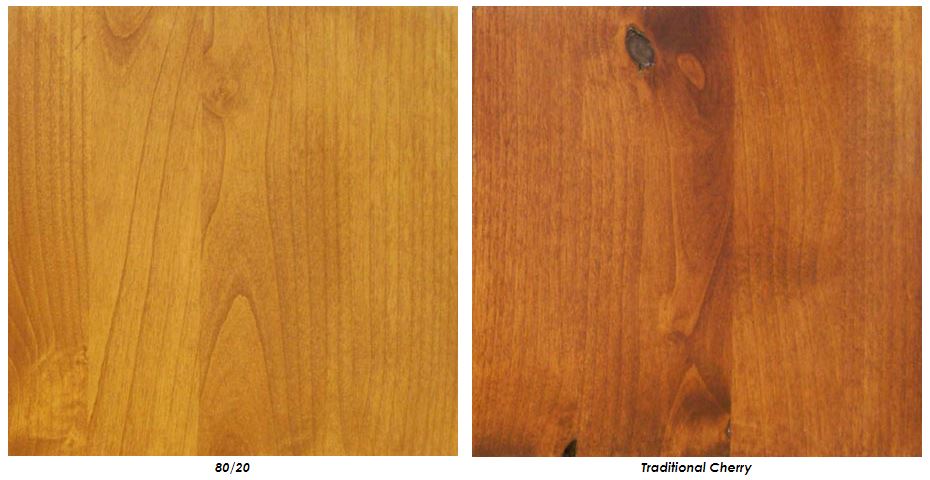
- 80-20

-
- Mahogany
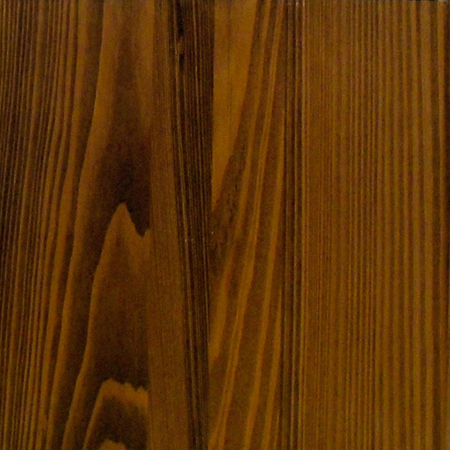
-
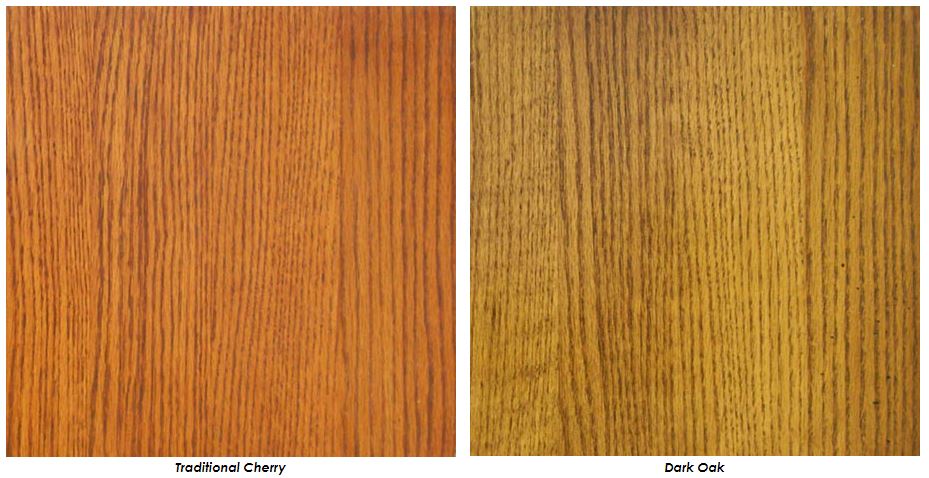
- Dark Oak
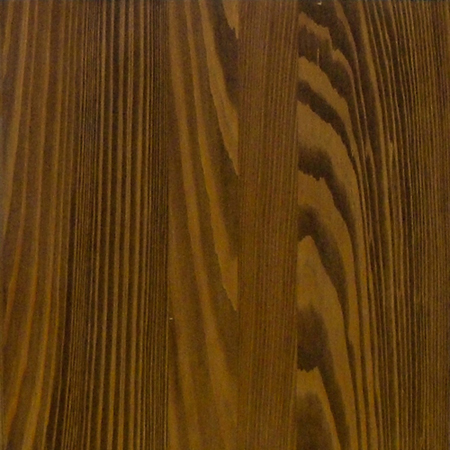
-
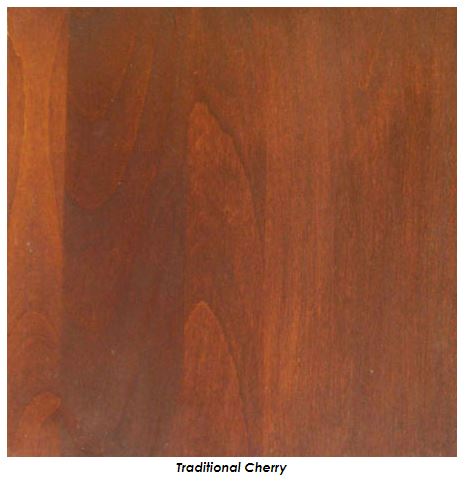
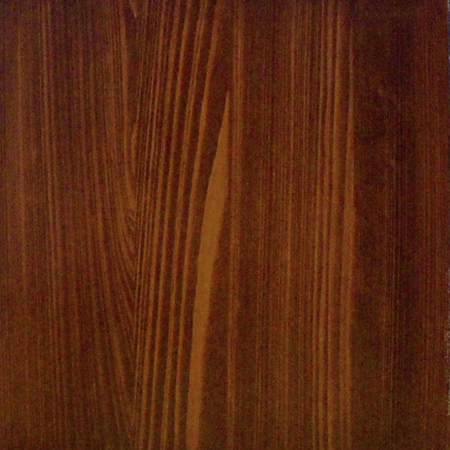
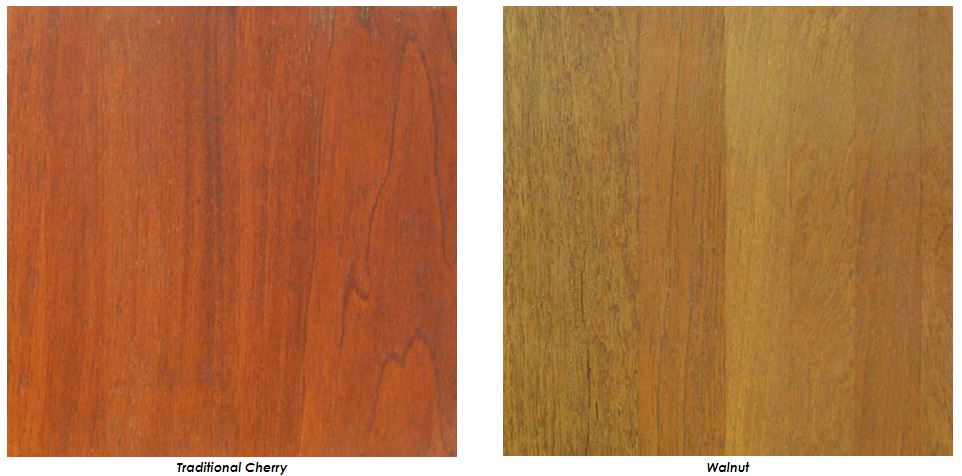
- Traditional Cherry
-
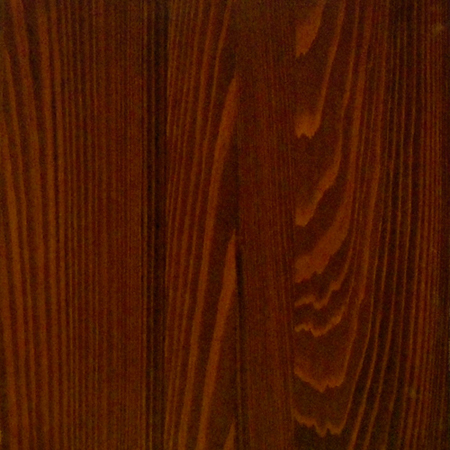
- Cordovan
-
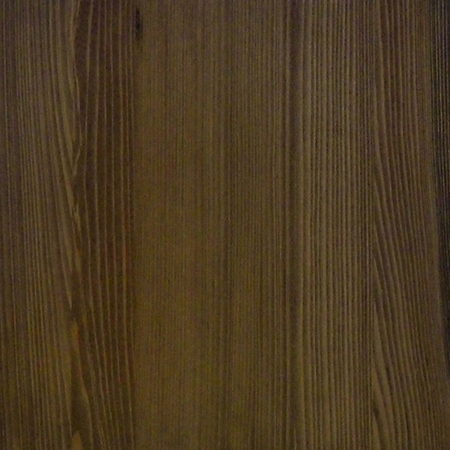
- Burnished Walnut
-
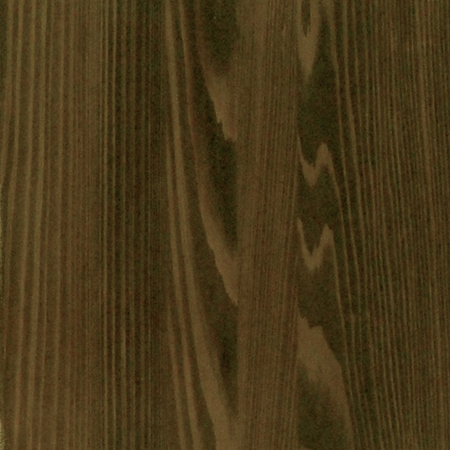
- Dark Walnut
Hickory Doors
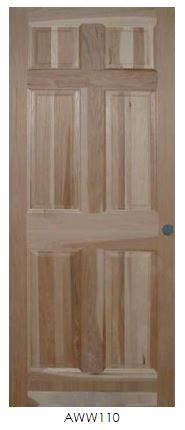
Hickory wood doors manufactured by Allegheny Wood Works are available as Interior Doors or Exterior Front Entry Doors. Hickory doors are available in raised panel or flat panel mission style doors. Shown below are just a few Hickory solid wood door designs.
For a full presentation of our wood door designs, please navigate through our website.
Hickory Door Characteristics:
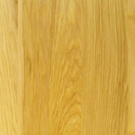
Hickory heartwood is reddish brown in color and has white sapwood.
Hickory is typically straight-grained but can have wavy or irregular grain as well.
Favored for both clear and rustic applications, its high density makes for a heavy swing and solid “Old World” feel.
Hickory Wood Doors have dramatic color variations from white to brown offering a “calico” look.
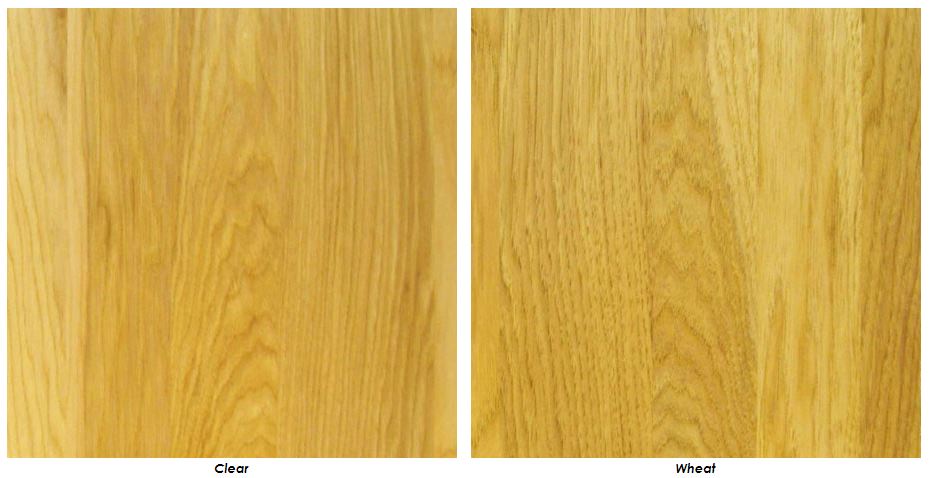
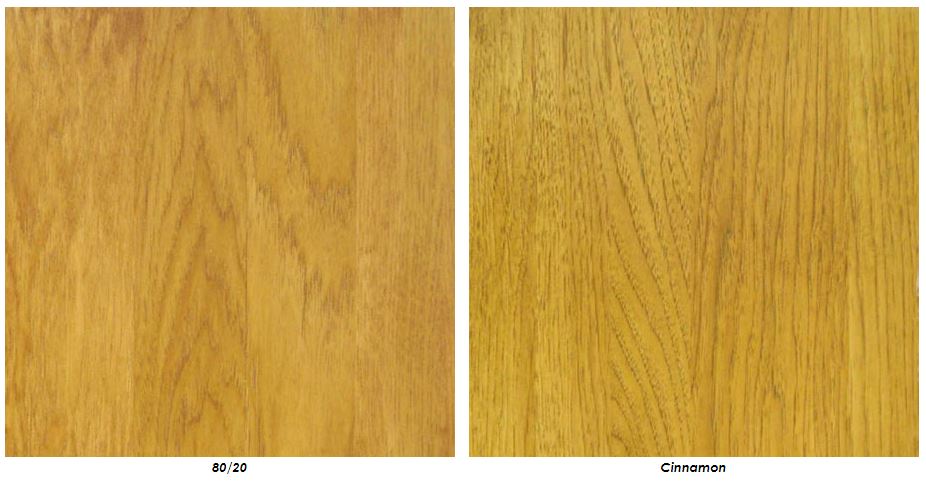
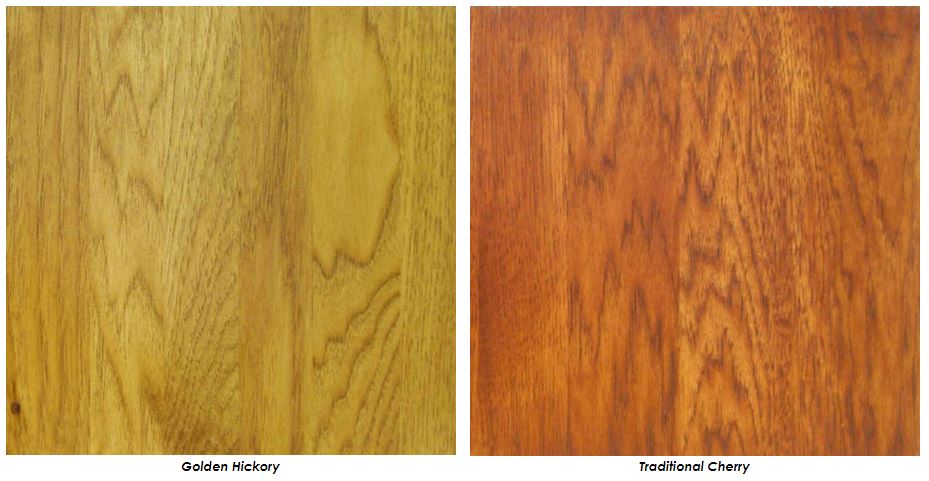
Hickory Stain Samples:
Rustic Hickory Doors
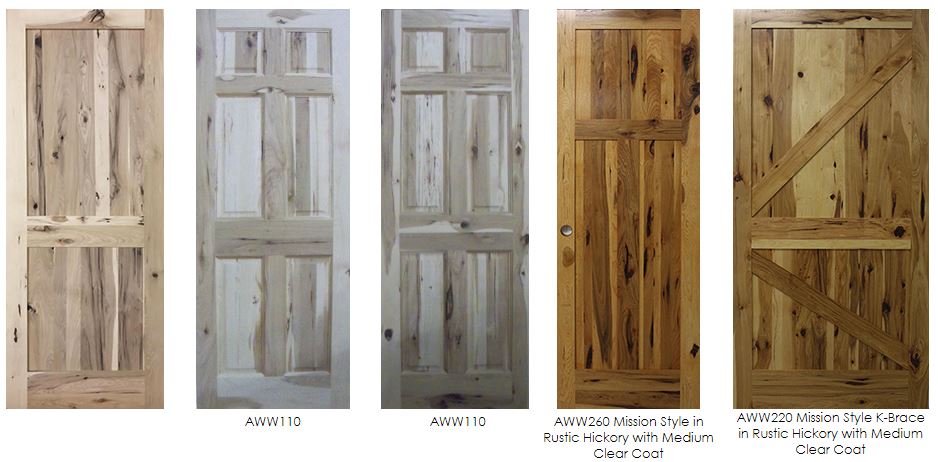
Rustic Hickory wood doors manufactured by Allegheny Wood Works are available as Interior Doors or Exterior Front Entry Doors. Rustic Hickory doors are available in raised panel or flat panel mission style doors. Shown below are just a few Rustic Hickory solid wood door designs.
For a full presentation of our wood door designs, please navigate through our website.
Rustic Hickory Door Characteristics:
Rustic hickory wood doors give you that one-of-a-kind look that is unique on every door due to the character of the wood.
Rustic hickory doors include knots (small to large), color variation (white sapwood to brown heartwood), and mineral streaks (dark brown) for a distressed rustic appearance.
Rustic Hickory Stain Samples:
Soft Maple Doors
Soft Maple wood doors manufactured by Allegheny Wood Works are available as Interior Doors or Exterior Front Entry Doors. Soft Maple doors are available in raised panel or flat panel mission style doors. Shown below are just a few Soft Maple solid wood door designs.
For a full presentation of our wood door designs, please navigate through our website.
Soft Maple Door Characteristics:
In most respects soft maple is very similar to hard maple.
Generally the sapwood is greyish white, sometimes with darker colored flecks.
The heartwood varies from light to dark reddish brown.
The wood is usually straight-grained but can occasionally be wavy or curly.
Soft maple is often used as a substitute for hard maple or stained to resemble other species such as cherry.
A great stainable wood that can match most color decors.
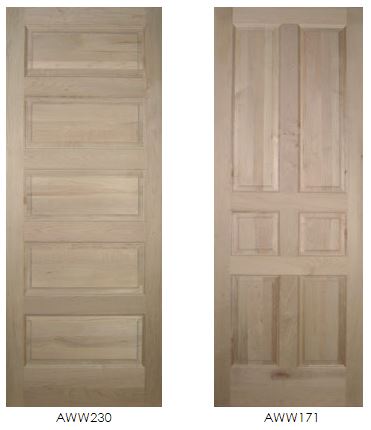
Soft Maple Stain Samples:
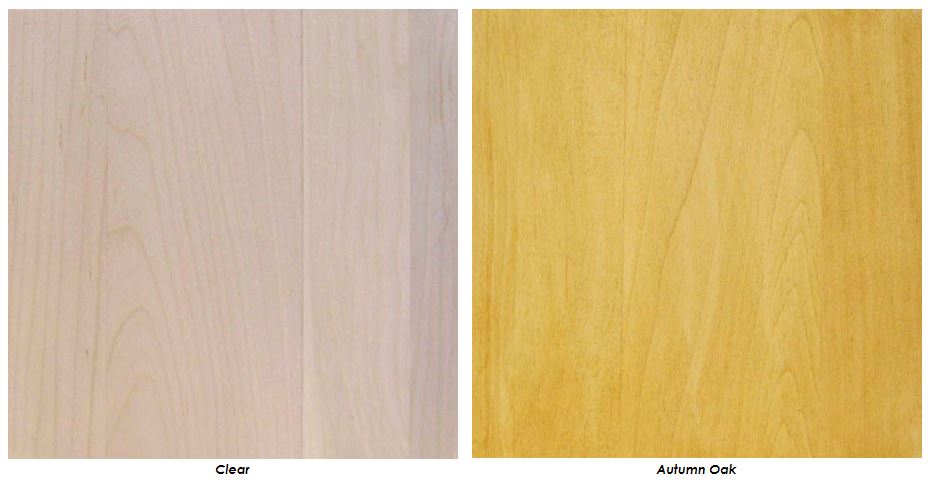
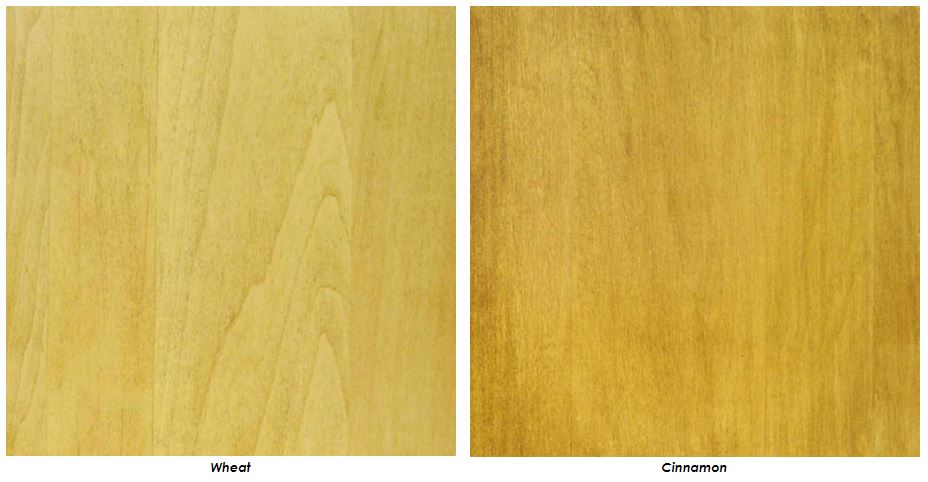
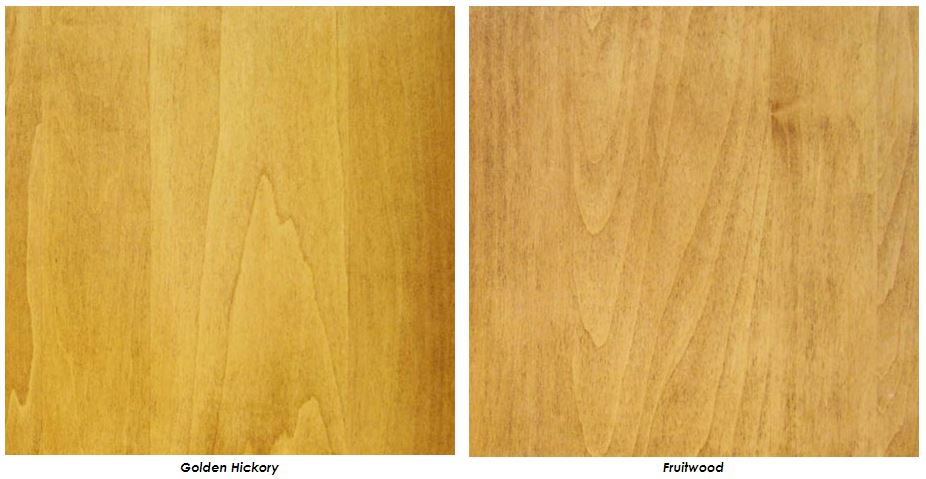
Hard Maple Doors
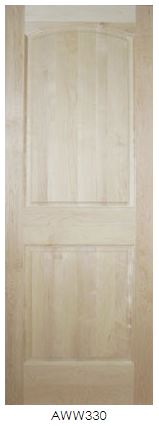
Hard Maple wood doors manufactured by Allegheny Wood Works are available as Interior Doors or Exterior Front Entry Doors. Hard Maple doors are available in raised panel or flat panel mission style doors. Shown below are just a few Hard Maple solid wood door designs.
For a full presentation of our wood door designs, please navigate through our website.
Hard Maple Door Characteristics:
The sapwood is creamy white with a slight reddish brown tinge and the heartwood varies from light to dark reddish brown.
The amount of darker brown heartwood can vary significantly according to the growing region.
We purchase and manufacture our doors from sap grade lumber that minimizes the brown heartwood and promotes the white sapwood.
Both sapwood and heartwood can contain small brown flecks.
The wood has a fine, uniform texture and is generally straight-grained, but it can also occur as “curly,” “fiddleback,” and “birds-eye” figure.
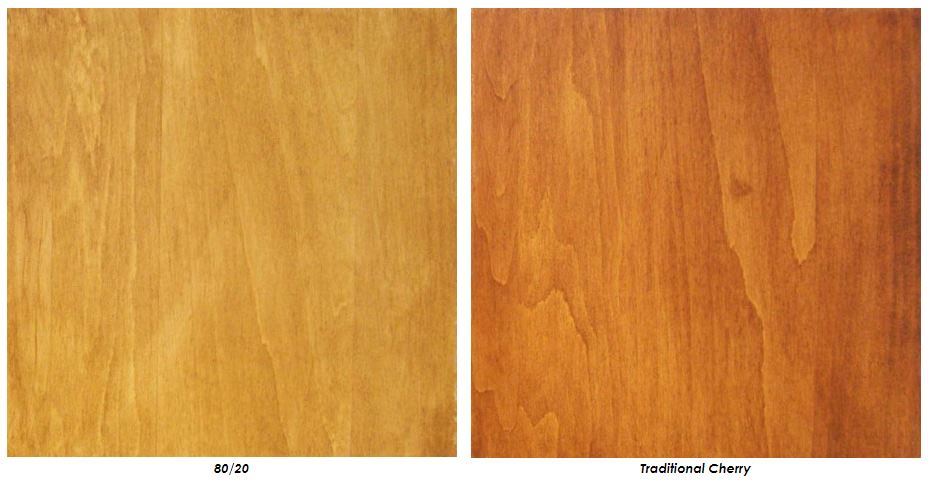
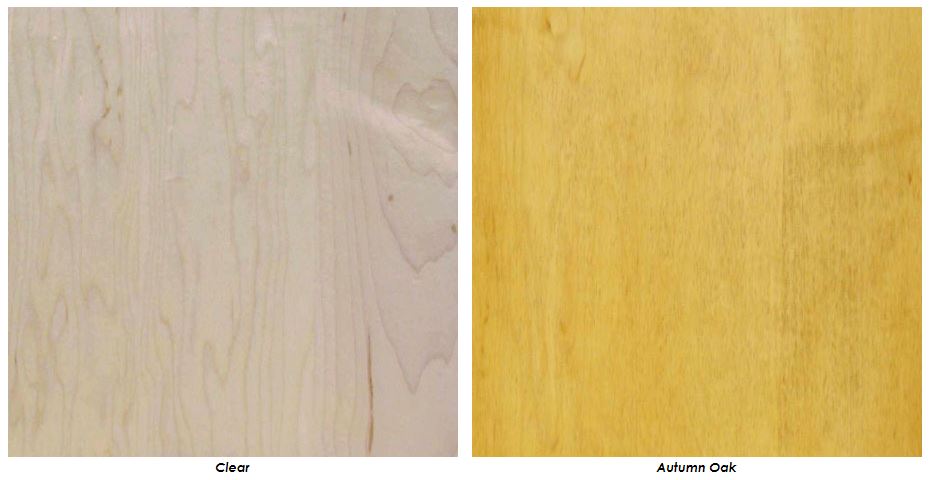
Hard Maple Stain Samples:
Pacific Coast Maple Doors
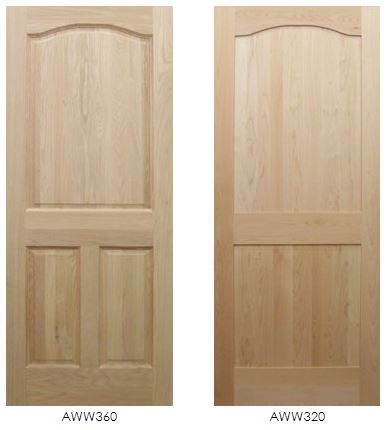
Pacific Coast Maple wood doors manufactured by Allegheny Wood Works are available as Interior Doors or Exterior Front Entry Doors. Pacific Coast Maple doors are available in raised panel or flat panel mission style doors. Shown below are just a few Pacific Coast Maple solid wood door designs.
For a full presentation of our wood door designs, please navigate through our website.
Pacific Coast Maple Door Characteristics:
Pacific Coast Maple is pale pinkish-brown to almost white.
Generally there is no marked difference between heartwood and sapwood.
Its fine grain is similar to birch and cherry with respect to growth ring contrast.
Due to the similar grain and color, Pacific Coast Maple is used as a lower cost alternative to Clear Alder or Cherry.
Finish with a Cherry stain to match your Cherry decor or with a clear or golden finish and let the natural beauty of the wood shine through.
Pacific Coast Maple Stain Samples:
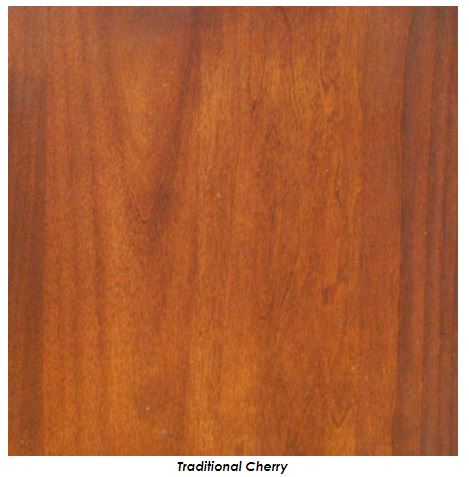
Rustic Maple Doors
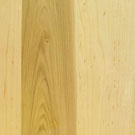
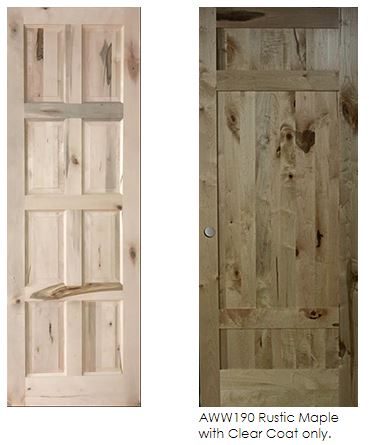
Rustic Maple wood doors manufactured by Allegheny Wood Works are available as Interior Doors or Exterior Front Entry Doors. Rustic Maple doors are available in raised panel or flat panel mission style doors. Shown below are just a few Rustic Maple solid wood door designs.
For a full presentation of our wood door designs, please navigate through our website.
Rustic Maple Door Characteristics:
Rustic Maple doors have significant color variation from white to grey/black streak lines to reddish brown bands.
Finish with a medium or dark stain to enhance the underlying character of the wood or use a clear finish and let the character of the wood speak for itself.
Look for either option to give a rustic flair to any decor. This is a true natural wood door.
Rustic Maple Stain Samples:
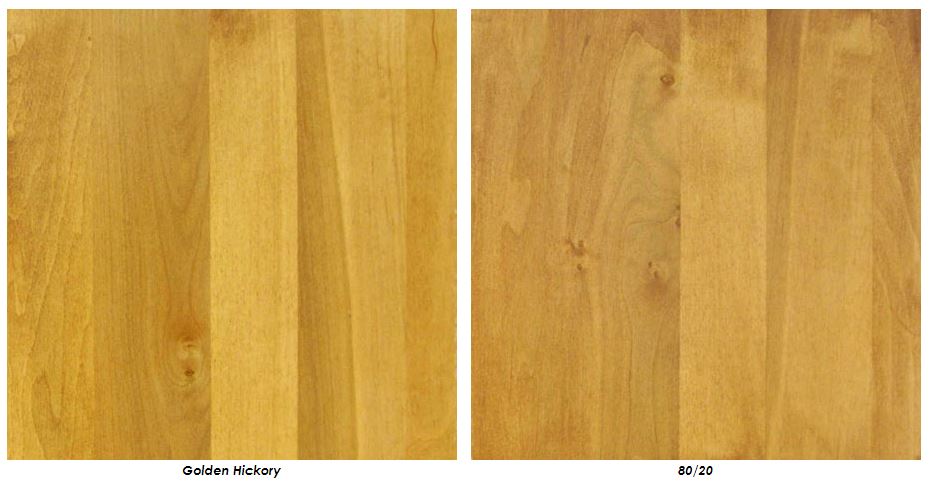
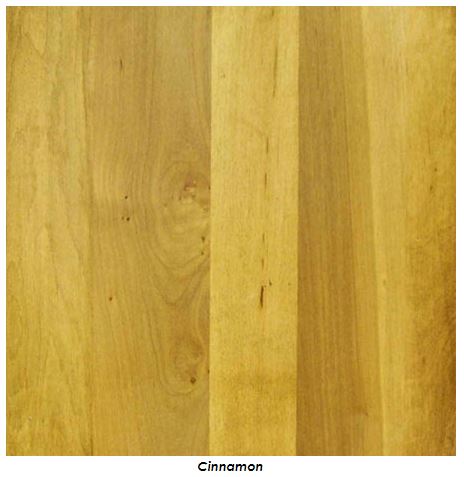
African Mahogany Doors
African Mahogany wood doors manufactured by Allegheny Wood Works are available as Interior Doors or Exterior Front Entry Doors. African Mahogany are available in raised panel or flat panel mission style doors. Shown below are just a few African Mahogany designs.
For a full presentation of our wood door designs, please navigate through our website.
African Mahogany Door Characteristics:
The heartwood of African Mahogany is light pinkish brown darkening upon exposure to light to a reddish brown.
The sapwood is whitish or yellowish.
Grain is straight to interlocked, producing a stripe figure and is very lustrous when finished.
African Mahogany has a high resistance to rot and decay.
As such, it is frequently used in Exterior Front Entry Wood Door applications and in climates with high humidity.
Finishes extremely well.
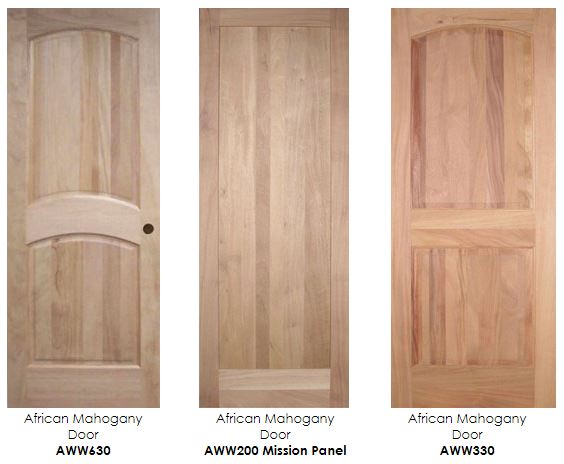
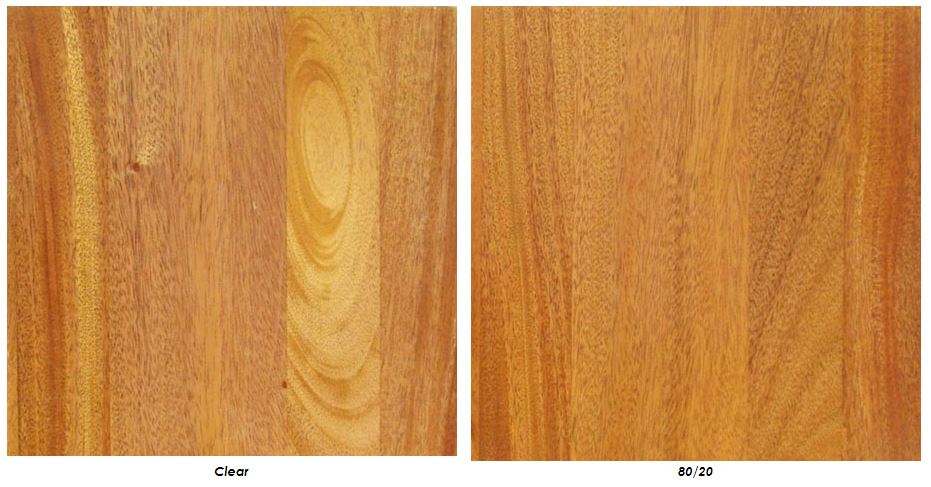
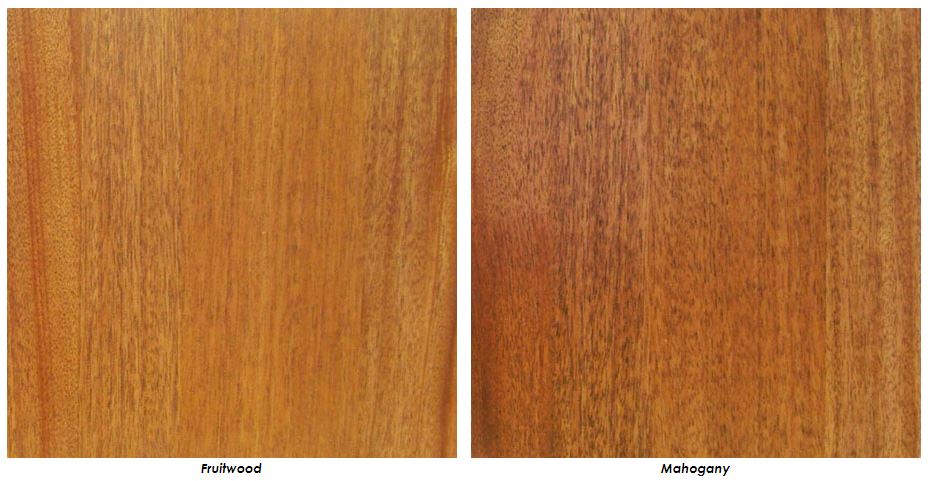
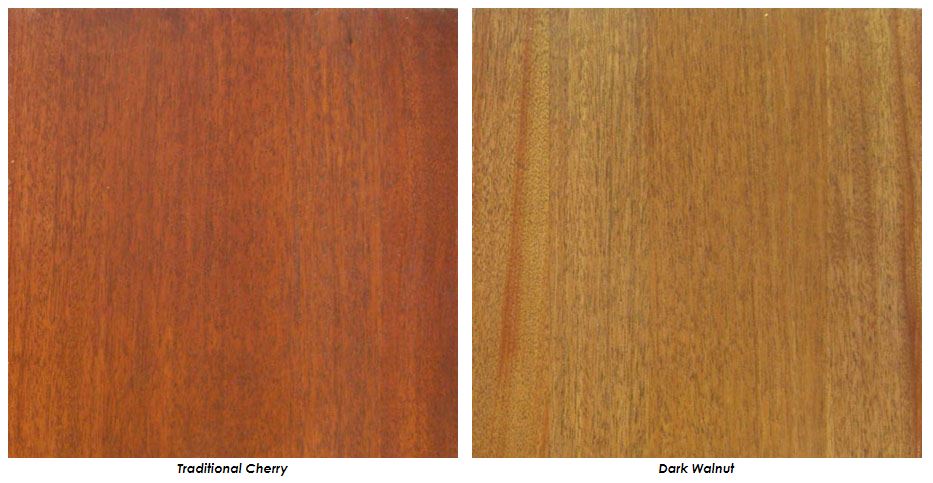
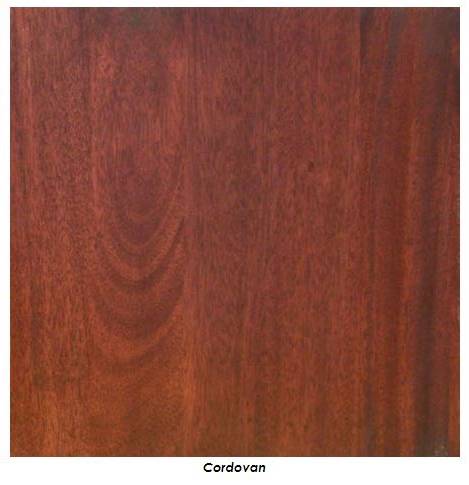
African Mahogany Stain Samples:
Sapele Mahogany Doors
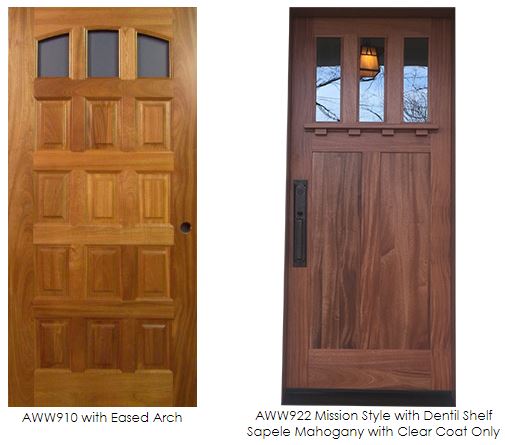
Sapele Mahogany wood doors manufactured by Allegheny Wood Works are available as Interior Doors or Exterior Front Entry Doors. Sapele Mahogany doors are available in raised panel or flat panel mission style doors. Shown below are just a few Sapele Mahogany solid wood door designs.
For a full presentation of our wood door designs, please navigate through our website.
Sapele Mahogany Door Characteristics:
The heartwood of Sapele Mahogany is red-brown or purple-brown color.
The sapwood is gray-pink or cream in color.
This African hardwood is highly sought after for its similarity to other types of Mahogany for guitar making, furniture making and now for flooring, decking and paneling applications.
Sapele’s colors are a little more reddish than African Mahogany, with dark tones and purple-brown hues.
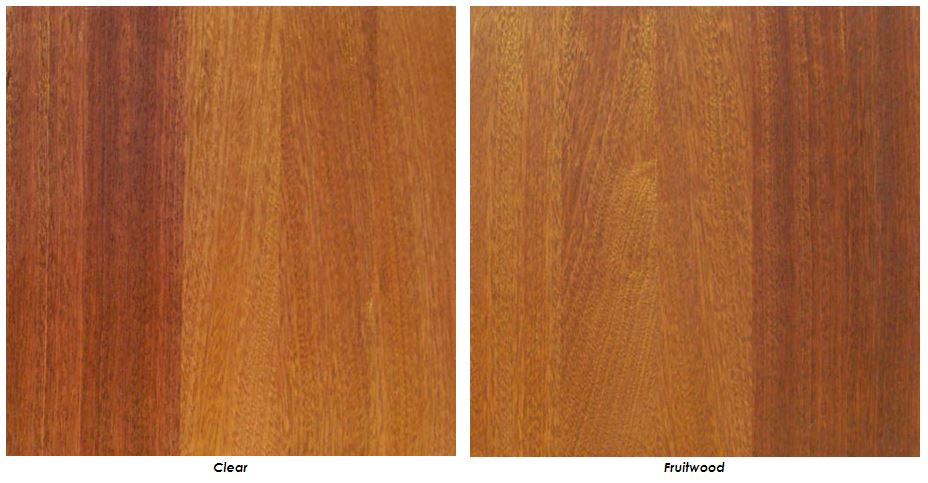
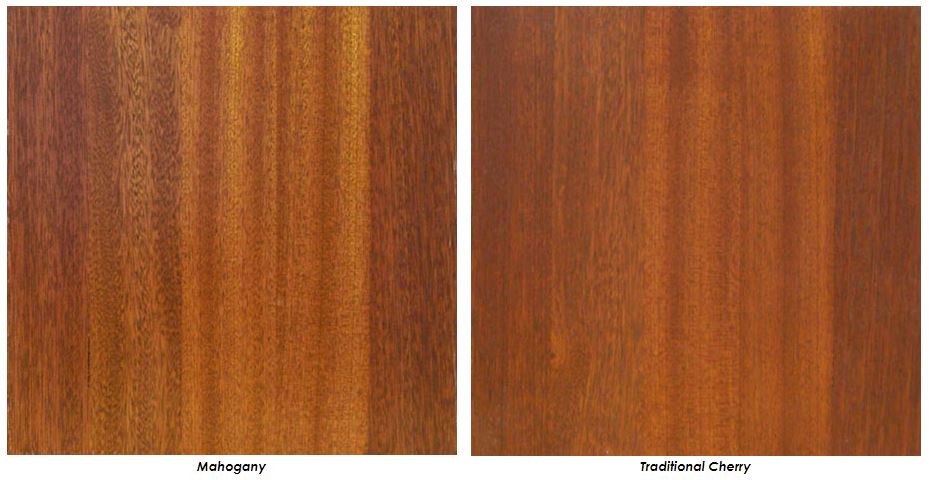
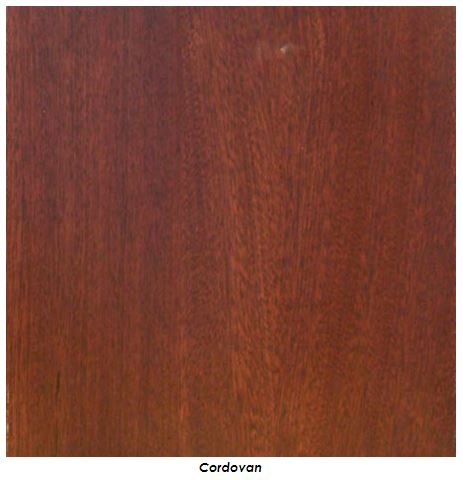
Sapele Mahogany Stain Samples:
Pine White Doors
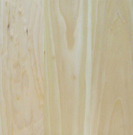
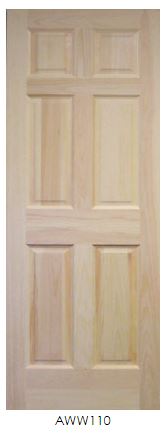
White Pine wood doors manufactured by Allegheny Wood Works are available as Interior Doors or Exterior Front Entry Doors. White Pine doors are available in raised panel or flat panel mission style doors. Shown below are just a few White Pine solid wood door designs.
For a full presentation of our wood door designs, please navigate through our website.
Clear White Pine Door Characteristics:
The heartwood of the eastern white pine is pale brown, with occasional reddish brown streaks.
The sapwood, which makes up most of the tree, is a pale yellow/white color.
Used extensively in timber-frame and log homes.
Eastern white pine is a soft wood that has been used for everything from American Indian totem poles to Early American furniture and masts for ships.
Its high stainability and distinctive resin grain add a colonial feel to any home.
Clear White Pine Stain Samples:
Knotty White Pine Doors
Knotty White Pine wood doors manufactured by Allegheny Wood Works are available as Interior Doors or Exterior Front Entry Doors. Knotty White Pine doors are available in raised panel or flat panel mission style doors. Shown below are just a few Knotty White Pine solid wood door designs.
For a full presentation of our wood door designs, please navigate through our website.
Knotty White Pine Door Characteristics:
The heartwood of the eastern white pine is pale brown, with occasional reddish brown streaks.
The sapwood, which makes up most of the tree, is a pale yellow/white color.
It has knots that vary in size from large to small. Knots tend to be relatively tight and smooth with cracks.
Used extensively in timber-frame and log homes.
Knotty pine doors are used for everything from American Indian totem poles to Early American furniture and adds a colonial feel to any home.

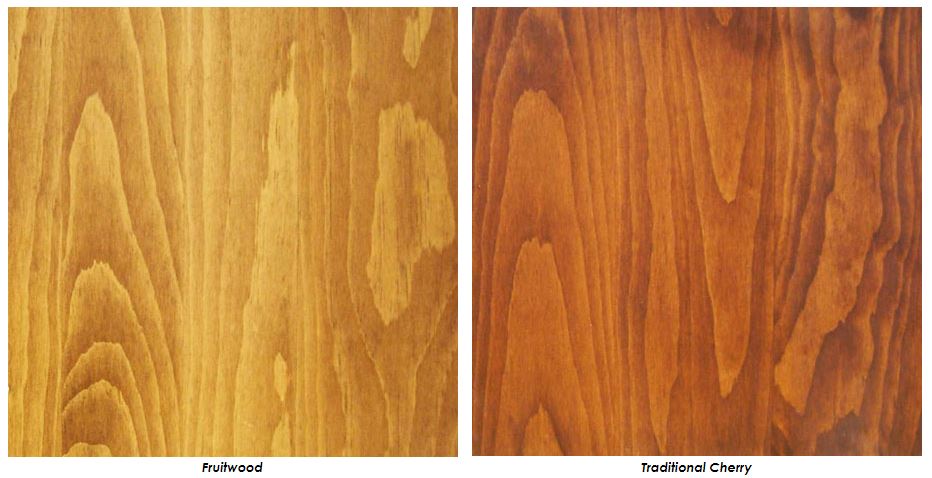
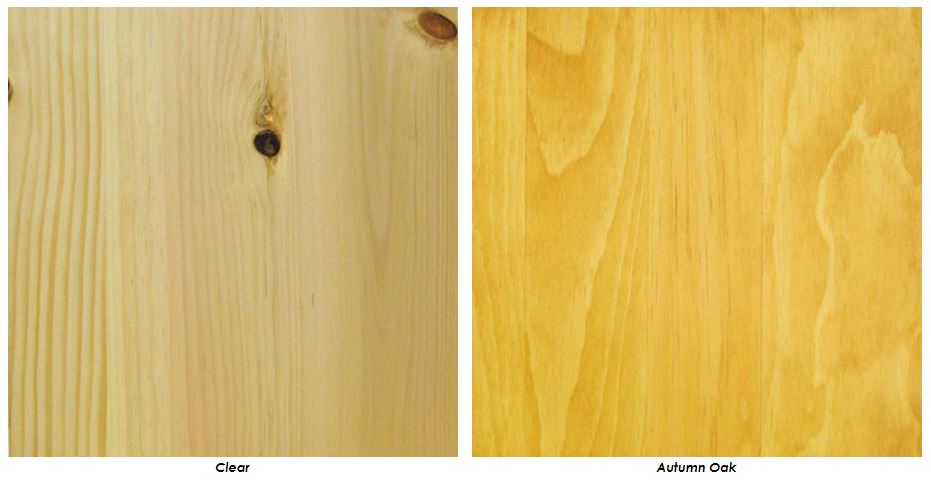
Knotty White Pine Samples:
Poplar Doors

Poplar wood doors manufactured by Allegheny Wood Works are available as Interior Doors or Exterior Front Entry Doors. Poplar doors are available in raised panel or flat panel mission style doors. Shown below are just a few Poplar solid wood door designs.
For a full presentation of our wood door designs, please navigate through our website.
Stain Grade Poplar Door Characteristics:
The sapwood of Poplar is creamy white and may be streaked, with the heartwood varying from pale yellowish brown to green.
The green color in the heartwood will tend to darken on exposure to light and turn brown.
A great option when used with a dark stain.
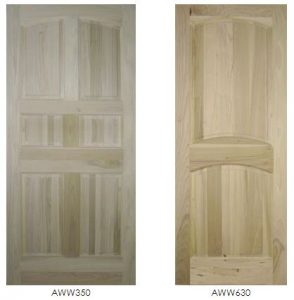
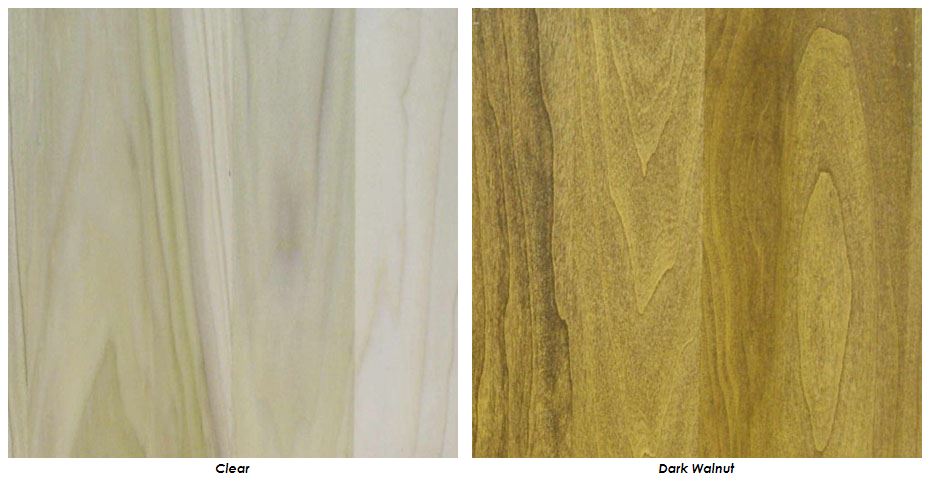
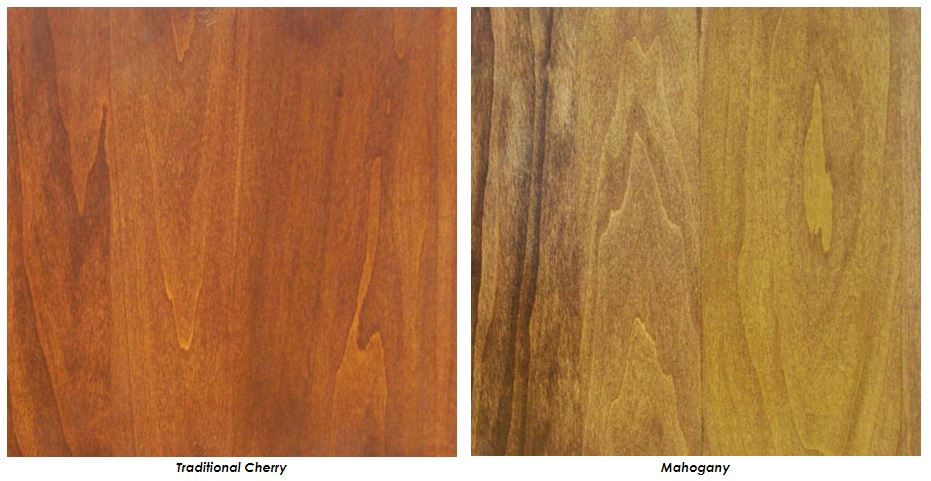
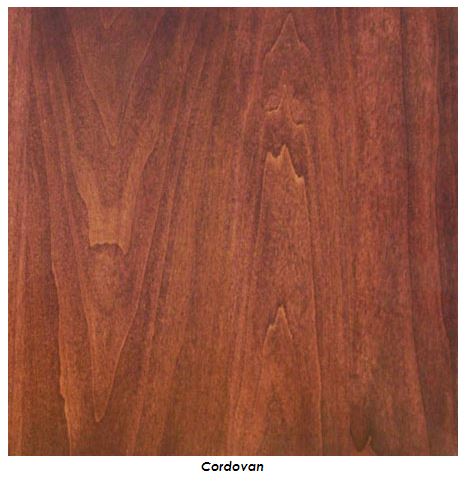
Poplar Stain Samples:
Red Oak Doors
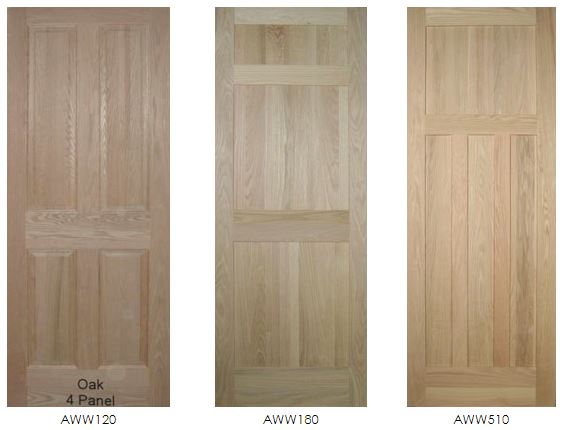
Red Oak wood doors manufactured by Allegheny Wood Works are available as Interior Doors or Exterior Front Entry Doors. Red Oak doors are available in raised panel or flat panel mission style doors. Shown below are just a few Red Oak solid wood door designs.
For a full presentation of our wood door designs, please navigate through our website.
Red Oak Door Characteristics:
Red Oak heartwood runs from a light tan to pink with a reddish tinge.
Red Oak is typically straight-grained and is well known for its dramatic “Cathedral” grain in its plain-sawn form.
Red Oak is one of the most widely used hardwoods in North America.
Red Oak is used in everything from flooring and trim to high end furniture, and custom millwork and interior and exterior entry doors.
Red Oak takes stain very well and can be finished to match any decor.
It is easy to see how Red Oak’s strength, wearability and appealing grain character have made it one of the most popular hardwoods in the country.
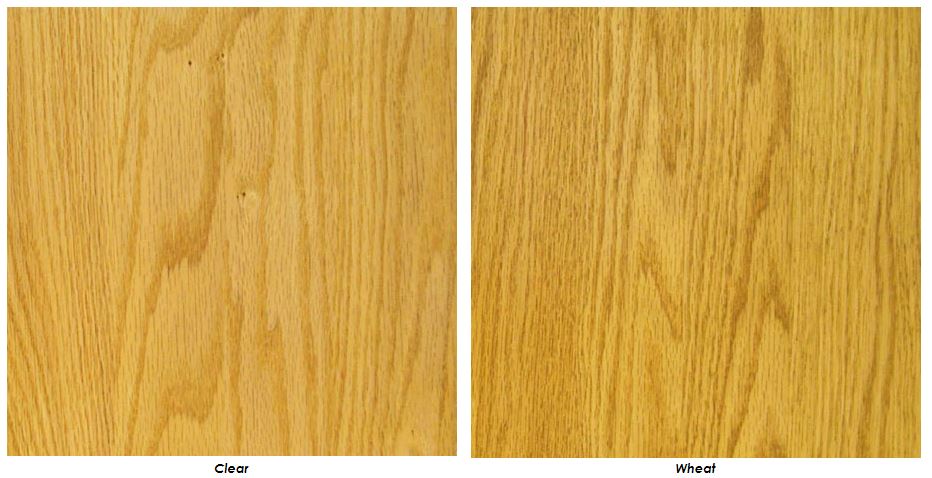
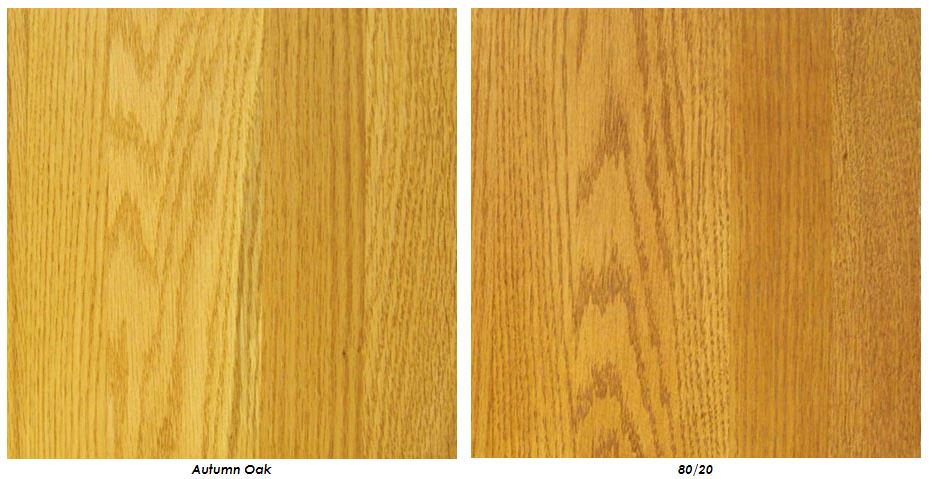
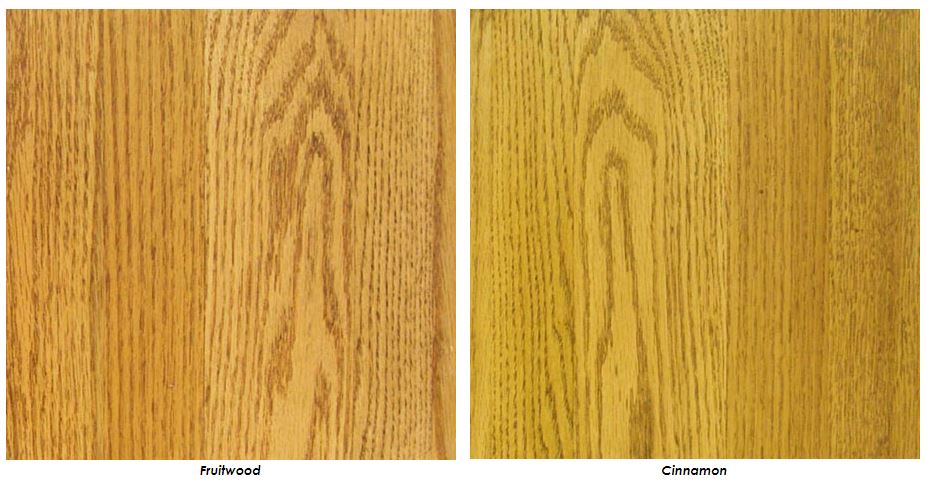
Red Oak Stain Samples:
Rustic Red Oak Doors
Rustic Red Oak wood doors manufactured by Allegheny Wood Works are available as Interior Doors or Exterior Front Entry Doors. Rustic Red Oak doors are available in raised panel or flat panel mission style doors. Shown below are just a few Rustic Red Oak solid wood door designs.
For a full presentation of our wood door designs, please navigate through our website.
Rustic Red Oak Door Characteristics:
Red Oak heartwood runs from a light tan to pink with a reddish tinge.
Red Oak is typically straight-grained and is well known for its dramatic “Cathedral” grain in its plain-sawn form. Red Oak is one of the most widely used hardwoods in North America.
Red Oak is used in everything from flooring and trim to high end furniture, and custom millwork and interior and exterior entry doors.
Red Oak takes stain very well and can be finished to match any decor.
It is easy to see how Red Oak’s strength, wearability and appealing grain character have made it one of the most popular hardwoods in the country.
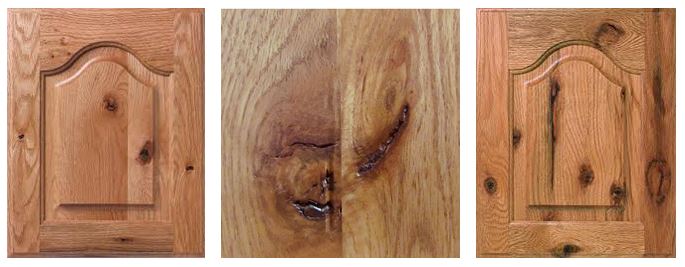
Rustic Red Oak includes color variations that range in the sapwood areas from whitish or grayish brown to a pale reddish brown.
Natural characteristics such as mineral streak, knots and sap are common.
Rustic Red Oak Stain Samples:
Quarter Sawn Red Oak Doors
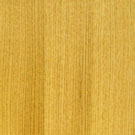
Quartersawn Red Oak wood doors manufactured by Allegheny Wood Works are available as Interior Doors or Exterior Front Entry Doors. Quartersawn Red Oak doors are available in raised panel or flat panel mission style doors. Shown below are just a few Quartersawn Red Oak solid wood door designs.
For a full presentation of our wood door designs, please navigate through our website.
Quarter Sawn Red Oak Door Characteristics:
Quarter Sawn Red Oak heartwood runs from a light tan to pink with a reddish tinge.
Quarter Sawn Red Oak is the same species of wood as Plain Sawn Red Oak (See: Red Oak Doors) only the lumber is obtained in a different way.
The tree is first cut into four quarters down its length. Boards are then cut from these quarters using several different means.
The end result is a board that typically has very straight grain and the creation of a “tiger stripe” effect that runs through the grain.
These iridescent silver “stripes” are known as ray flecks.
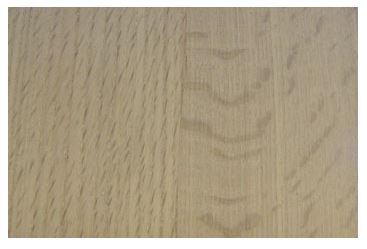
Quarter Sawn Red Oak Stain Samples:
Spanish Cedar Doors
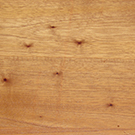
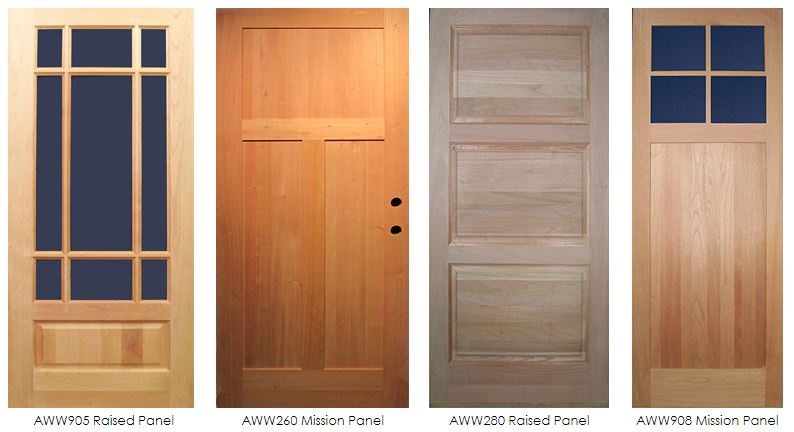
Spanish Cedar wood doors manufactured by Allegheny Wood Works are available as Interior Doors or Exterior Front Entry Doors. Spanish Cedar doors are available in raised panel or flat panel mission style doors. Shown below are just a few Spanish Cedar solid wood door designs.
For a full presentation of our wood door designs, please navigate through our website.
Spanish Cedar Door Characteristics:
Extremely durable, this wood ranges from a pale pinkish brown to a dark reddish brown that darkens over time.
Natural characteristics include tiny pin knots, gum pockets, and a unique fragrance.
Excellent choice for exterior doors due to natural resistance to rot and decay, the natural oils in this wood are an effective insect repellent.
Paints, stains and finishes well.
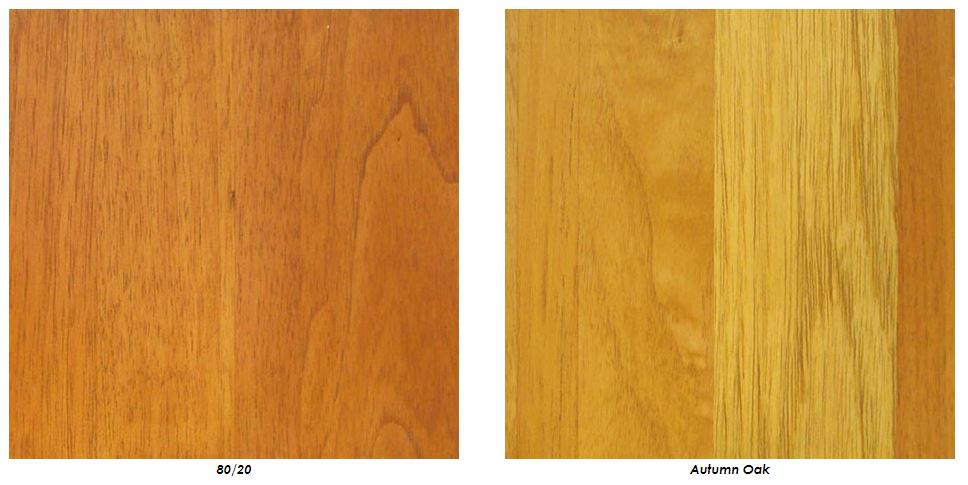
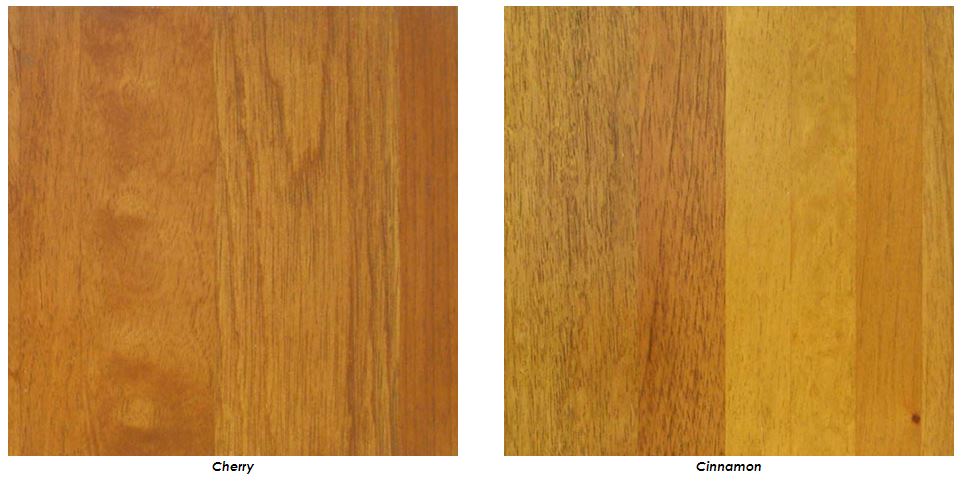
Spanish Cedar Stain Samples:
Walnut Doors
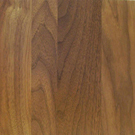
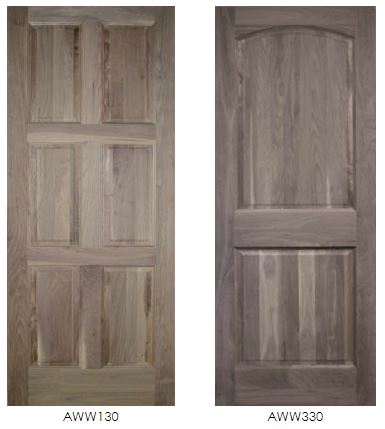
Walnut wood doors manufactured by Allegheny Wood Works are available as Interior Doors or Exterior Front Entry Doors. Walnut doors are available in raised panel or flat panel mission style doors. Shown below are just a few Walnut solid wood door designs.
For a full presentation of our wood door designs, please navigate through our website
Walnut Door Characteristics:
The sapwood of Walnut is creamy white, while the heartwood is light brown to dark chocolate brown, occasionally having a purplish cast with darker streaks.
Walnut is usually supplied steamed to darken the sapwood.
Walnut is famous for its wavy, curly and mottled figures.
This rich and lustrous wood has a one-of-a-kind look that is often imitated but never duplicated.
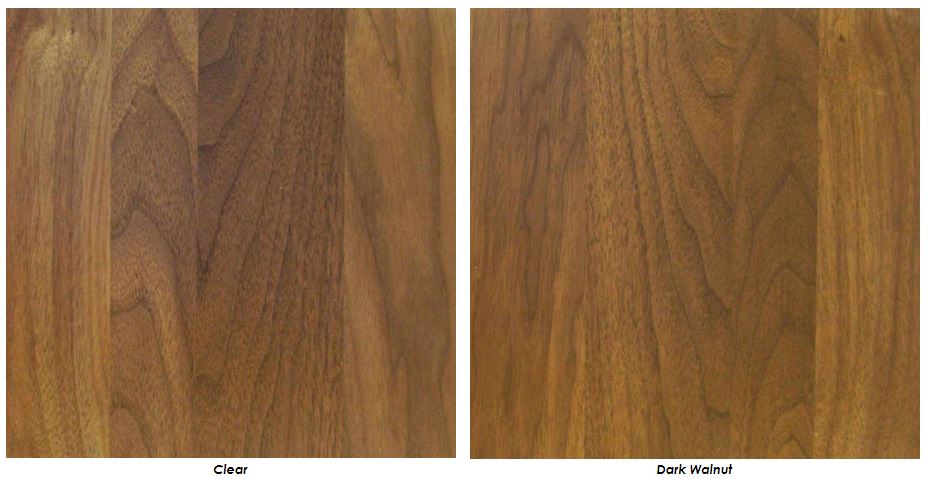
Finish with a clear finish or use a blending stain to minimize the color variation.
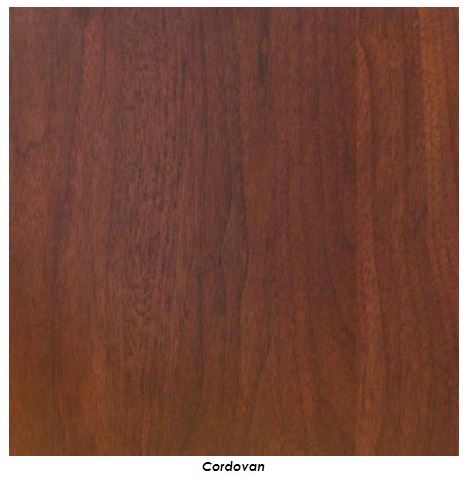
Walnut Stain Samples:
White Oak Doors
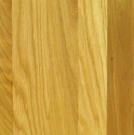
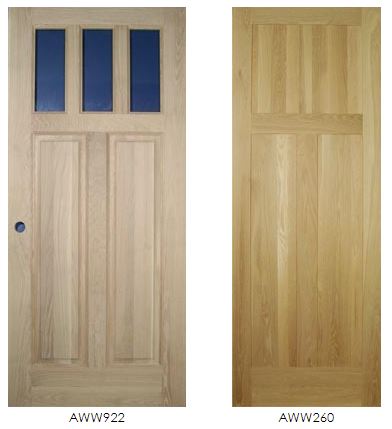
White Oak wood doors manufactured by Allegheny Wood Works are available as Interior Doors or Exterior Front Entry Doors. White Oak doors are available in raised panel or flat panel mission style doors. Shown below are just a few White Oak solid wood door designs.
For a full presentation of our wood door designs, please navigate through our website.
White Oak Door Characteristics:
White Oak heartwood is variable in color and ranges from light tan or pale yellow brown to pale or dark brown.
The sapwood in White Oak is whitish to light brown in color, and is variable in width.
White Oak has a high resistance to liquids.
As such it is very stable and a great option for use in exterior applications.
Uses for White Oak range from ship timbers and barrels to furniture, flooring and Interior Wood Doors and Exterior Front Entry Doors.
White Oak finishes beautifully and makes a fantastic door with a solid heavy swing.
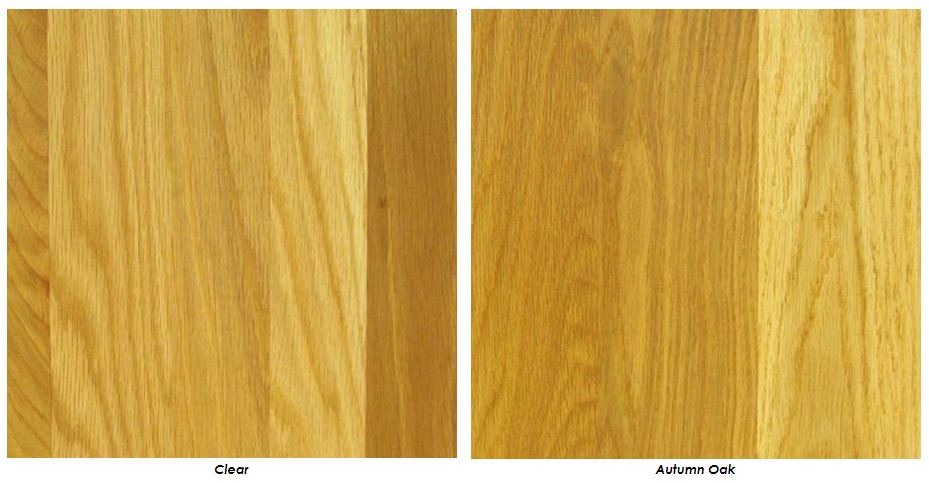
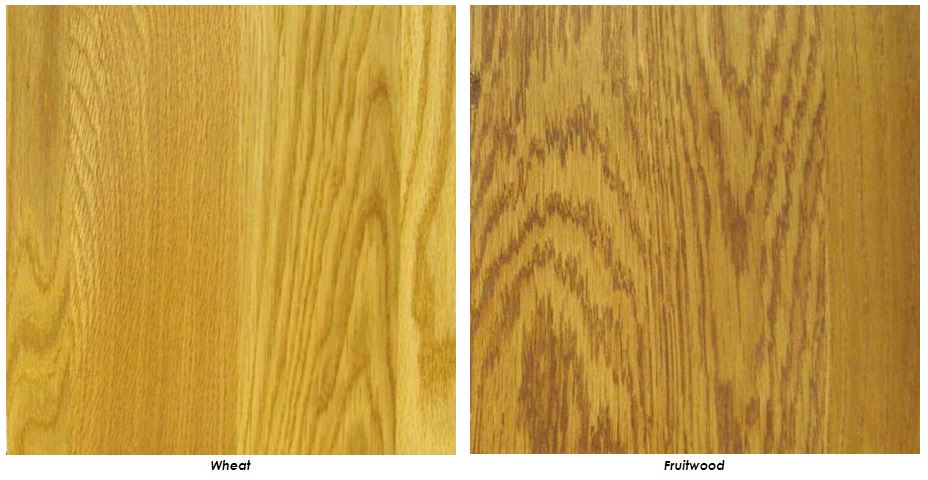
White Oak Samples:
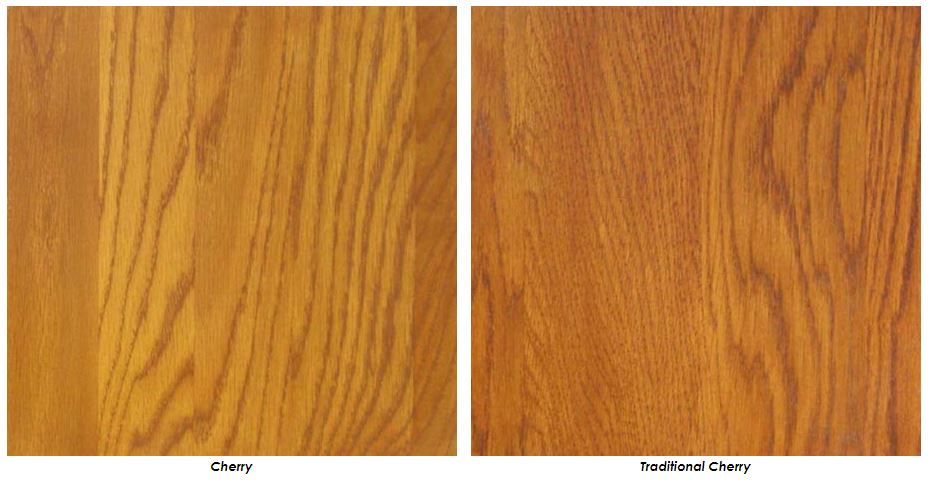

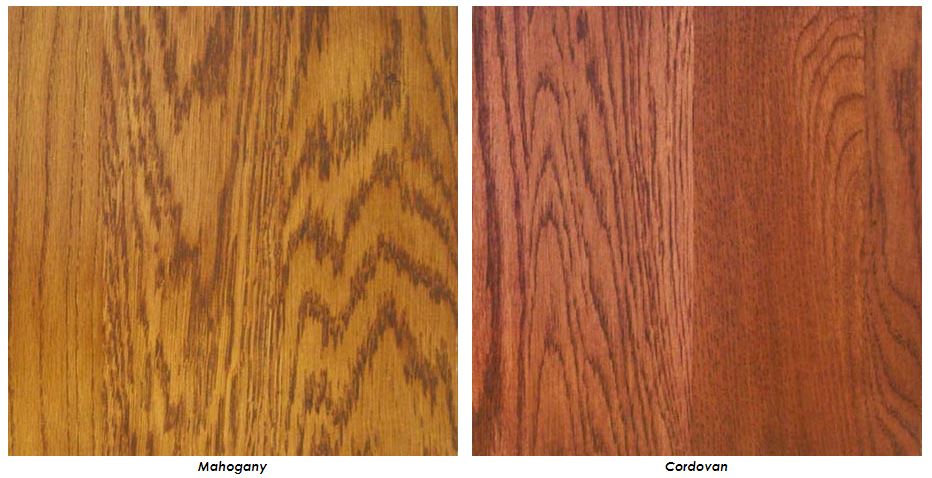
Rustic White Oak Doors
Rustic White Oak wood doors manufactured by Allegheny Wood Works are available as Interior Doors or Exterior Front Entry Doors. Rustic White Oak doors are available in raised panel or flat panel mission style doors. Shown below are just a few Rustic White Oak solid wood door designs.
For a full presentation of our wood door designs, please navigate through our website.
Rustic White Oak Door Characteristics:
White Oak heartwood is variable in color and ranges from light tan or pale yellow brown to pale or dark brown.
The sapwood in White Oak is whitish to light brown in color, and is variable in width.
White Oak has a high resistance to liquids.
As such it is very stable and a great option for use in exterior applications.
Uses for White Oak range from ship timbers and barrels to furniture, flooring and Interior Wood Doors and Exterior Front Entry Doors.
White Oak finishes beautifully and makes a fantastic door with a solid heavy swing.
Rustic White Oak incorporates natural characteristics such as mineral streak, knots, surface checks and sap.
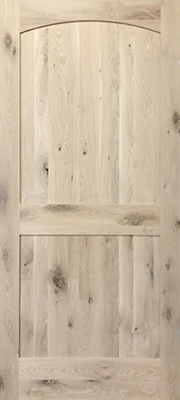
Rustic White Oak Samples:
Quarter Sawn White Oak Doors
Quartersawn White Oak wood doors manufactured by Allegheny Wood Works are available as Interior Doors or Exterior Front Entry Doors. Quartersawn White Oak doors are available in raised panel or flat panel mission style doors. Shown below are just a few Quartersawn White Oak solid wood door designs.
For a full presentation of our wood door designs, please navigate through our website.
Quarter Sawn White Oak Door Characteristics:
Quarter Sawn White Oak heartwood is variable in color and ranges from light tan or pale yellow brown to pale or dark brown.
The sapwood is Quarter Sawn White Oak which is whitish to light brown in color, and is variable in width.
Quarter Sawn White Oak is the same species of wood as Plain Sawn White Oak (See: White Oak Doors) only the lumber is obtained in a different way.
The tree is first cut into four quarters down its length. Boards are then cut from these quarters using several different means.
The end result is a board that typically has very straight grain and the creation of a “tiger stripe” effect that runs through the grain.
These iridescent silver “stripes” are known as ray flecks.
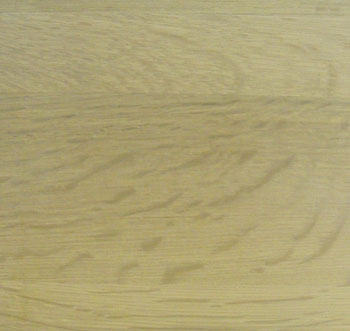
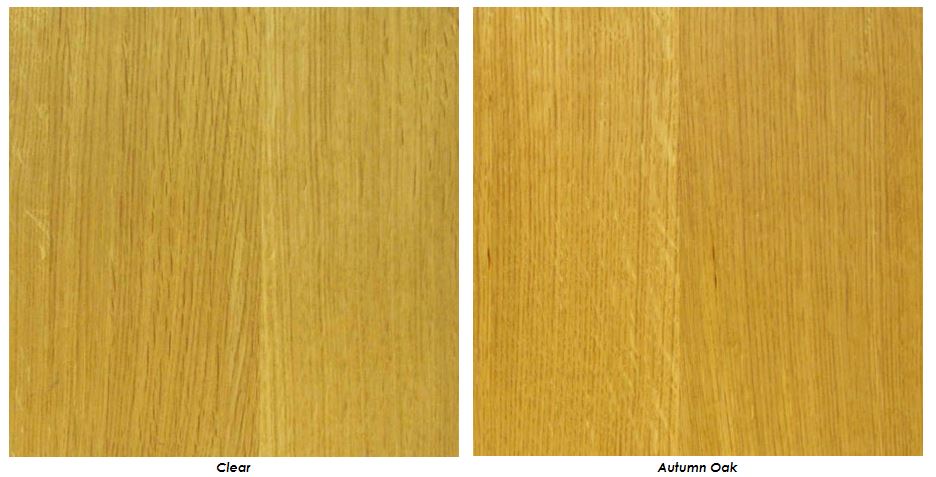
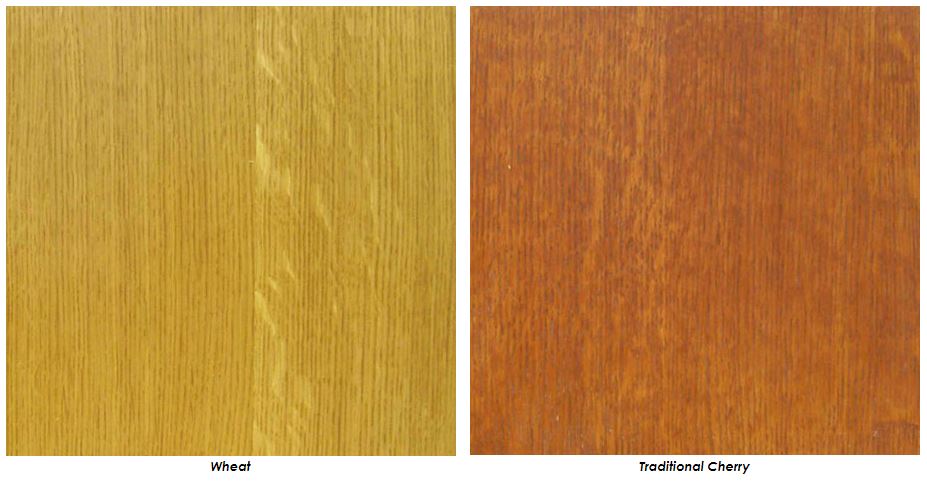
Quarter Sawn White Oak Stain Samples:
Latest News & Articles